Cardstock thickness is crucial for durability and aesthetics‚ measured in points‚ pounds‚ or GSM. This guide explores key measurements‚ uses‚ and tips to help you choose the perfect cardstock for your projects.
1.1 Understanding Cardstock Basics
Cardstock‚ often referred to as cover paper‚ is a sturdy‚ heavyweight material designed for projects requiring durability. Unlike regular paper‚ it offers rigidity and a premium feel‚ making it ideal for business cards‚ scrapbooking‚ and packaging. Its thickness is measured in points (pts)‚ weight in pounds (lb)‚ and GSM (grams per square meter). Understanding these basics helps in selecting the right cardstock for specific applications‚ ensuring both functionality and aesthetic appeal.
1.2 Importance of Thickness in Cardstock
Cardstock thickness is vital as it determines durability‚ rigidity‚ and professional appearance. Thicker cardstock is more robust‚ resistant to bending‚ and offers a premium feel‚ making it ideal for projects requiring longevity. The right thickness ensures your material stands up to handling and environmental factors‚ while also enhancing visual appeal. Whether for business cards‚ packaging‚ or crafts‚ the thickness directly impacts the project’s functionality and perceived quality‚ making it a critical factor in achieving desired results.
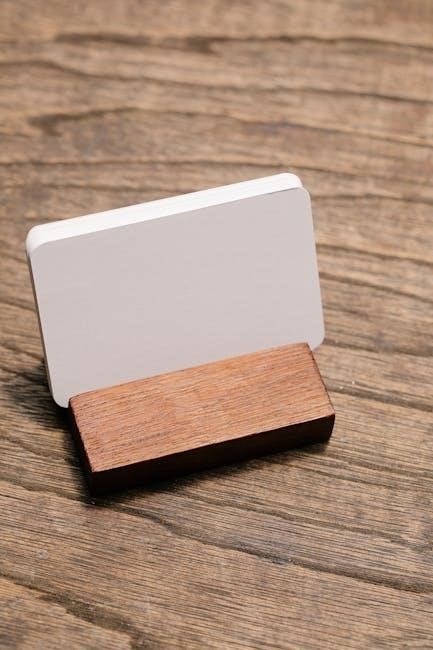
Common Measurements for Cardstock Thickness
Cardstock thickness is measured in points (pts)‚ pounds‚ or GSM. These metrics help determine durability‚ rigidity‚ and suitability for various projects‚ ensuring the right choice for your needs.
2.1 Points (Pts) ‒ Thickness in Thousandths of an Inch
Points (Pts) measure cardstock thickness in thousandths of an inch‚ with higher values indicating thicker‚ more durable sheets. Common cardstock ranges from 10pt to 50pt‚ offering varying levels of rigidity and strength. This measurement is essential for projects requiring specific thickness‚ such as business cards or packaging materials. Points provide a clear‚ standardized way to compare cardstock options‚ ensuring the right balance between flexibility and sturdiness for your needs.
2.2 Basis Weight in Pounds
Basis weight measures the weight of 500 sheets of uncut cardstock in pounds‚ providing a standard reference for comparing paper weights. It is calculated based on the original sheet size‚ not the cut size‚ which can lead to confusion. For example‚ a larger sheet of lighter paper may weigh more than a smaller sheet of heavier paper. Basis weight is a key factor in determining cardstock durability and suitability for projects‚ with common weights ranging from 80 lb to 300 lb. Understanding this measurement helps in selecting the right cardstock for specific applications.
2.3 GSM (Grams per Square Meter)
GSM (Grams per Square Meter) measures the weight of paper‚ including cardstock‚ by calculating grams per square meter. It is a widely recognized standard for paper weight‚ offering a clear indication of thickness and durability. GSM is particularly useful for comparing different cardstock options‚ as it provides a consistent reference point. Higher GSM values indicate heavier and thicker cardstock‚ which is often more durable. This measurement is especially helpful for international projects‚ as it is a globally understood metric. Understanding GSM helps in selecting the right cardstock for specific applications‚ ensuring the desired balance of weight and performance.
2.4 Caliper Measurement
Caliper measures paper thickness in thousandths of an inch‚ providing a direct indication of cardstock’s physical dimensions. It is often used interchangeably with “points‚” as both refer to the same metric. Caliper is essential for understanding the durability and rigidity of cardstock‚ as thicker sheets are generally more robust. This measurement is particularly useful for projects requiring specific structural integrity. By evaluating caliper‚ users can ensure their cardstock meets the necessary thickness requirements for applications like packaging or professional printing. Accurate caliper measurements help in selecting the ideal cardstock for various creative and industrial needs.
Common Cardstock Weights and Their Uses
Cardstock weights range from lightweight (80-100 lb) for crafts to medium-weight (110-130 lb) for professional printing and heavy-duty (200-300 lb) for packaging and display materials.
3.1 Lightweight Cardstock (80-100 lb)
Lightweight cardstock (80-100 lb) is ideal for crafts‚ scrapbooking‚ and business cards. Its thin‚ flexible nature makes it easy to cut and shape while maintaining durability. Perfect for projects requiring a delicate touch‚ it offers a professional finish without excess bulk. Compared to heavier stocks‚ it is more cost-effective and versatile for everyday use. Despite its lower weight‚ it still provides a sturdy base for designs‚ making it a popular choice for creators seeking balance between flexibility and strength.
3.2 Medium-Weight Cardstock (110-130 lb)
Medium-weight cardstock (110-130 lb) offers a balance of durability and flexibility‚ making it ideal for professional printing‚ business cards‚ and postcards. Its sturdy yet manageable thickness ensures crisp designs and long-lasting results. Often used for promotional materials‚ it provides a premium feel without being overly heavy. This weight is versatile‚ suitable for both home crafts and commercial projects‚ ensuring a professional finish every time. Its popularity stems from its reliability and adaptability across various applications‚ making it a go-to choice for creators seeking a balance between quality and practicality.
3.3 Heavy-Duty Cardstock (200-300 lb)
Heavy-duty cardstock (200-300 lb) is the thickest and most durable option‚ ideal for high-end projects requiring maximum stability. Commonly used for packaging‚ display materials‚ and luxury items‚ it offers exceptional rigidity and a premium feel. This weight is perfect for applications where the material must stand on its own‚ such as high-traffic displays or heavy-duty packaging. Its thickness ensures long-lasting durability‚ making it a top choice for professional and industrial uses where strength and longevity are paramount.

Converting and Comparing Cardstock Weights
Converting and comparing cardstock weights involves understanding GSM‚ pounds‚ and points. This section explains how to translate these measurements‚ ensuring the right choice for your project needs.
4.1 GSM to Pounds Conversion
GSM (grams per square meter) and pounds are two common measurements for cardstock weight. To convert GSM to pounds‚ use the formula: 1 pound = 0.00220462 tons. Since 1 ton = 1000 kg‚ and 1 kg = 1000 g‚ you can calculate pounds by dividing GSM by 16.6667. For example‚ 80 GSM equals approximately 4.4 pounds. This conversion helps compare international standards with U.S. measurements‚ ensuring consistency in choosing the right cardstock for your projects. Understanding this relationship simplifies selecting the appropriate weight for durability and print quality.
4.2 Points to Pounds Conversion
Converting points (pts) to pounds involves understanding that 1 pt equals 0.001 inches in thickness. While points measure thickness‚ pounds measure weight per 500 sheets. A common approximation is that 1 pt roughly equals 10 pounds of cardstock weight. For example‚ 10 pt cardstock is approximately 100 lb‚ and 14 pt is about 140 lb. This conversion helps users correlate thickness with weight‚ aiding in selecting the right cardstock for projects requiring specific durability and rigidity. This guideline is practical for comparing and choosing cardstock effectively.
4.3 GSM to Points Conversion
GSM (grams per square meter) and points (pts) are both used to measure cardstock thickness‚ but they represent different properties. While GSM measures weight‚ points measure thickness in thousandths of an inch; To convert GSM to points‚ a general approximation is that 1 pt equals approximately 4-5 GSM. For example‚ 200 GSM is roughly 40-50 pts. This conversion helps users correlate weight with thickness‚ ensuring the right cardstock is chosen for projects requiring specific durability or print quality. Understanding this relationship simplifies selecting the ideal cardstock for various applications.

Factors Influencing Cardstock Thickness
Cardstock thickness is influenced by paper density‚ intended use‚ and finish. Density affects weight and durability‚ while finish enhances texture and appearance‚ impacting overall thickness and performance.
5.1 Paper Density and Composition
Paper density and composition significantly impact cardstock thickness. Higher density papers are denser‚ making them thicker and more durable. Composition‚ such as the type of pulp used‚ affects weight distribution and rigidity. Thicker cardstocks often contain more fibers or additives‚ enhancing strength. Density also influences how paper feels‚ with denser papers offering a premium texture. Understanding these factors helps in selecting cardstock that balances durability and flexibility for specific applications. Density and composition are fundamental in determining the overall performance and thickness of cardstock.
5;2 Intended Use and Durability Requirements
The intended use of cardstock plays a critical role in determining its thickness. Projects requiring durability‚ such as business cards or packaging‚ need thicker‚ heavier cardstock to withstand wear and tear. Display materials‚ like signage‚ require sturdy cardstock to maintain shape and stability. The level of handling and exposure to environmental factors also influences thickness selection. Matching the cardstock’s durability to its intended use ensures longevity and professional appearance. Thicker cardstocks are ideal for high-traffic applications‚ while lighter options suffice for short-term or decorative purposes. Balancing use and durability is key to selecting the right thickness.
5.3 Finish and Texture
Finish and texture significantly influence cardstock thickness and its suitability for various projects. Smooth finishes‚ like matte or glossy‚ offer a sleek appearance but may lack the durability of textured options. Embossed or textured cardstocks are thicker due to their layered finishes‚ providing enhanced rigidity and a premium feel. The finish also affects printability and aesthetic appeal. For instance‚ glossy finishes are ideal for high-resolution printing‚ while textured options are better for crafts or displays. Understanding how finish and texture impact thickness helps in selecting the right cardstock for specific applications‚ ensuring both functionality and visual appeal are met.
Applications of Different Cardstock Thicknesses
Cardstock thickness varies by use‚ from lightweight options for crafts to heavy-duty for packaging. Thickness determines durability‚ making it ideal for business cards‚ scrapbooking‚ and professional printing needs.
6.1 Business Cards and Professional Printing
Cardstock thickness is vital for business cards and professional printing‚ ensuring durability and a premium feel. Common weights range from 80 to 130 lb‚ with heavier options like 300 lb offering exceptional rigidity. Thicker cardstocks withstand wear and tear‚ making them ideal for business cards that need to maintain their appearance. The thickness also influences the card’s ability to stand upright in displays‚ enhancing visual appeal. Choosing the right weight ensures your materials convey professionalism and withstand frequent handling‚ making it a critical decision for branding and marketing efforts.
6.2 Scrapbooking and Crafting
Cardstock thickness plays a key role in scrapbooking and crafting‚ offering durability and dimension. Lightweight options (80-100 lb) are ideal for layering‚ while medium weights (110-130 lb) provide stability for intricate designs. Heavier cardstocks (200-300 lb) are perfect for sturdy embellishments or 3D projects. The thickness ensures pieces hold their shape and withstand handling. Finish and texture also matter‚ with textured or metallic cardstocks adding visual interest. Choosing the right thickness enhances the longevity and aesthetic of craft projects‚ making it essential for scrapbookers and crafters to select cardstock that matches their creative needs and desired outcomes.
6.3 Packaging and Display Materials
Cardstock is widely used in packaging and display materials due to its durability and thickness. Heavier weights‚ such as 200-300 lb‚ are ideal for structural packaging and displays that need to stand upright. Medium-weight cardstocks (110-130 lb) are often used for inserts‚ while lighter options (80-100 lb) work well for promotional signage. The thickness ensures rigidity‚ preventing bending or sagging. Additionally‚ textured or glossy finishes enhance visual appeal‚ making cardstock a versatile choice for retail displays‚ product packaging‚ and promotional materials that require both functionality and aesthetic appeal.

Tips for Choosing the Right Cardstock Thickness
Understand your project’s needs‚ balance durability with cost‚ and match thickness to printing requirements for optimal results in crafting‚ printing‚ or packaging applications.
7.1 Considering the Project’s Purpose
Choosing the right cardstock thickness starts with understanding your project’s purpose. For business cards‚ durability is key‚ while scrapbooking may require a lighter‚ more flexible option. Packaging needs sturdy cardstock to withstand handling. Consider how the final product will be used and displayed. Thicker cardstock is ideal for items that need to stand upright‚ like displays‚ while thinner options work better for crafts requiring folding. Matching the thickness to the project’s demands ensures functionality and a professional finish. Always think about how the cardstock will perform in its intended application.
7.2 Balancing Durability and Cost
When selecting cardstock‚ it’s essential to balance durability and cost. Heavier cardstock offers greater durability but can be more expensive. For projects requiring long-term use‚ like business cards‚ investing in thicker stock is worthwhile. However‚ for short-term or decorative purposes‚ lighter weights may suffice‚ reducing costs. Assessing the project’s requirements helps determine the optimal thickness without overspending. Consider budget constraints and the intended use to find a cardstock that meets both durability and affordability needs‚ ensuring a practical and cost-effective solution for your creative or professional endeavors.
7.3 Matching Thickness to Printing Requirements
Matching cardstock thickness to printing requirements ensures optimal results. Thicker cardstock (14-18 pt) is ideal for high-quality‚ professional prints like business cards‚ while lighter weights (10-12 pt) suit crafts or scrapbooking. Consider the printer’s capabilities‚ as heavier stocks may not work with inkjet printers. Digital printing often handles thicker cardstock better. Ensure the thickness aligns with the project’s demands for durability and finish. Proper alignment enhances print quality‚ prevents jams‚ and guarantees the desired aesthetic and functionality for your creative or professional endeavors.

Common Misconceptions About Cardstock Weight
Many confuse cardstock weight with thickness‚ but they are distinct. Weight refers to grams or pounds‚ while thickness is measured in points or caliper. Understanding this difference is key.
8.1 Confusing Weight with Thickness
A common misconception is equating cardstock weight with thickness. Weight‚ measured in pounds or GSM‚ reflects mass per area‚ while thickness‚ in points or caliper‚ measures physical depth. They are related but distinct. A heavier weight doesn’t always mean thicker stock‚ as density varies. This confusion can lead to incorrect choices for projects. Understanding the difference ensures proper selection for durability‚ flexibility‚ and aesthetic needs. Recognizing this distinction helps avoid mistakes in planning and execution‚ ensuring the right cardstock for the intended use.
8.2 Misunderstanding Basis Weight Calculations
A common error is misinterpreting basis weight‚ which measures paper weight based on uncut sheet size. Many assume it directly reflects thickness‚ but larger sheets can weigh more without being thicker. For example‚ a lightweight paper in a larger size might have a higher basis weight than a smaller‚ thicker sheet. This confusion arises because basis weight is calculated before cutting‚ not reflecting the final size. Understanding this distinction is key to avoiding mistakes in selecting cardstock for specific projects‚ ensuring the right balance of weight and thickness for durability and performance.
8.3 Ignoring the Impact of Sheet Size
Sheet size significantly affects cardstock weight calculations‚ as basis weight is determined by the uncut sheet size. A larger sheet may weigh more but not necessarily be thicker. For example‚ a lightweight paper in a larger size can have a higher basis weight than a smaller‚ thicker sheet. Ignoring this relationship often leads to confusion‚ as the same weight can represent different thicknesses depending on the sheet size. Understanding this ensures accurate comparisons and informed decisions when selecting cardstock for specific projects‚ avoiding mismatches in durability and appearance.
Current Trends in Cardstock Thickness
Heavier cardstock weights are gaining popularity for durability‚ while demand for specialty finishes and eco-friendly options grows‚ reflecting modern design and sustainability trends in crafting and printing.
9.1 Increasing Popularity of Heavier Weights
The demand for heavier cardstock weights‚ such as 110 lb.‚ 130 lb.‚ and even 300 lb.‚ has grown significantly. This trend reflects the need for durability and professional finishes in applications like business cards‚ packaging‚ and high-end printing. Heavier weights offer enhanced rigidity‚ making them ideal for products that require standing on their own‚ such as displays or cards in racks. Additionally‚ the rise of DIY crafting and scrapbooking has fueled the popularity of sturdier cardstock‚ as creators seek materials that can withstand frequent handling and provide a premium feel. This shift emphasizes balancing durability with cost-effectiveness for various projects.
9.2 Demand for Specialty Finishes
The demand for specialty finishes in cardstock‚ such as metallic‚ textured‚ or glossy options‚ has surged alongside the rise of heavier weights. These finishes enhance both aesthetic appeal and functionality‚ catering to industries like luxury packaging‚ high-end printing‚ and custom crafting. Metallic finishes‚ for instance‚ add a premium look to business cards and invitations‚ while textured finishes provide a unique tactile experience. This trend reflects a growing emphasis on creating visually striking and durable materials that meet specific project requirements‚ further expanding the versatility of cardstock in modern applications.
9.3 Sustainability and Eco-Friendly Options
The demand for sustainable and eco-friendly cardstock options is growing‚ driven by environmental concerns. Many manufacturers now offer cardstock made from recycled materials‚ biodegradable alternatives‚ or responsibly sourced fibers. These options maintain the same thickness and durability as traditional cardstock while reducing environmental impact. Certifications like FSC (Forest Stewardship Council) ensure ethical sourcing. Eco-friendly cardstock is increasingly popular for packaging‚ crafting‚ and professional printing‚ aligning with consumer preferences for greener products. This trend emphasizes balancing quality with environmental responsibility‚ making sustainable cardstock a viable choice for modern projects.
Understanding cardstock thickness is key to making informed decisions for projects. By considering weight‚ durability‚ and finish‚ you can select the perfect cardstock for professional or creative needs.
10.1 Summarizing Key Takeaways
Cardstock thickness is a critical factor in determining durability‚ rigidity‚ and suitability for various projects. Measurements like points‚ pounds‚ and GSM provide clarity‚ while understanding applications helps in selecting the right weight. Lightweight cardstock (80-100 lb) is ideal for crafts‚ while heavy-duty options (200-300 lb) are best for professional printing. Balancing cost and durability is essential‚ as thicker stocks are sturdier but more expensive. Trends show a rise in demand for heavier weights and eco-friendly options. By matching thickness to project needs‚ you ensure optimal results for both functionality and aesthetics.
10.2 Encouraging Further Exploration
Exploring cardstock thickness further can enhance your projects’ quality and creativity. Dive into resources like detailed guides‚ tutorials‚ and expert forums to deepen your understanding. Experiment with different weights and finishes to see how they perform in various applications. Whether crafting‚ printing‚ or packaging‚ hands-on experience will refine your skills. Stay updated on trends like eco-friendly options and specialty finishes to stay ahead in your creative or professional endeavors. The world of cardstock is vast‚ and continuous learning will unlock new possibilities for your projects.
Resources for Further Learning
Explore detailed guides‚ online tools‚ and expert recommendations to deepen your understanding of cardstock thickness and its applications for crafting‚ printing‚ and professional projects.
11.1 Recommended Reading
For in-depth knowledge‚ explore “The Ultimate Guide to Cardstock Thickness” and “Paper Weight and Thickness Explained.” These resources provide detailed insights into measurements and applications. Additionally‚ “Cardstock for Crafting” and “Professional Paper Selection” offer specialized advice for creative and business uses. “The Paperworks Guide to Cardstock” is another trusted source‚ covering weight‚ thickness‚ and finishes. These readings‚ along with “Understanding GSM and Points‚” will enhance your understanding of cardstock properties and help you make informed decisions for your projects. They also cover current trends and sustainability in cardstock production.
11.2 Online Tools and Calculators
Utilize online tools like Paperworks’ cardstock thickness guide and conversion calculators to compare GSM‚ pounds‚ and points. These resources simplify understanding weight and thickness relationships‚ ensuring accurate project planning. Tools like weight-to-thickness converters and unit comparison charts are invaluable for precise measurements. Websites such as Paperworks and crafting platforms offer interactive calculators to help you determine the ideal cardstock for your needs. These tools are essential for making informed decisions and achieving professional results in printing‚ crafting‚ and design projects.
11.3 Expert Recommendations
Experts recommend consulting trusted suppliers like Paperworks for tailored advice on cardstock selection; Their team of paper professionals offers insights into weight‚ thickness‚ and finish‚ ensuring optimal choices for projects. Consider expert tips on balancing durability and cost‚ and matching thickness to printing requirements. For crafting‚ lighter weights like 80-100 lb are ideal‚ while heavy-duty projects may require 200-300 lb; Testing samples and understanding finish options can also guide decisions. Rely on expert recommendations to enhance your cardstock selection process and achieve professional results in printing‚ crafting‚ and design projects.