Discover the essentials of pearl sizing, from millimeter measurements to style impact. This guide offers insights, charts, and real-world comparisons to help you choose the perfect pearls effortlessly.
Importance of Pearl Size in Jewelry
Pearl size plays a crucial role in determining the style, impact, and value of jewelry. Larger pearls are rarer and often more valuable, while smaller ones offer versatility. The size influences the overall aesthetic, with larger pearls making a bold statement and smaller ones creating a delicate look. Understanding pearl size helps in selecting pieces that align with personal style, occasion, and budget. It’s a key factor in crafting jewelry that stands out, making it essential to consider when choosing the perfect pearls for any setting.
Understanding Pearl Size Measurements
Pearl size is measured in millimeters, ranging from small seed pearls to large South Sea pearls. Accurate measurements help determine a pearl’s value and suitability for jewelry. Standard sizes are categorized to guide buyers, ensuring consistency. Understanding these measurements aids in selecting pearls that align with personal style and budget. Real-world comparisons, like comparing pearl diameters to common objects, make sizing more relatable. This guide provides a clear breakdown of pearl size ranges, helping you make informed decisions when choosing the perfect pearls for necklaces, earrings, or other jewelry pieces.
Pearl Size Chart: A Comprehensive Overview
This chart provides a detailed visual guide, showcasing pearl sizes in millimeters, from smallest to largest. It helps compare dimensions and understand how size impacts jewelry design and appearance.
Standard Pearl Size Ranges
Pearls are categorized into standard size ranges to simplify selection. Common sizes range from 6.0mm to 14.0mm for Akoya pearls, while Tahitian and South Sea pearls can reach up to 18.0mm. These ranges help jewelers and buyers understand size options, ensuring consistency in pricing and styling; Standard sizes also guide how pearls are paired in jewelry, making it easier to create balanced designs. Understanding these ranges helps in selecting pearls that align with personal style and budget, ensuring a harmonious fit in necklaces, earrings, or other pieces.
Visualizing Pearl Sizes: Real-World Comparisons
Pearl sizes can be challenging to envision, but real-world comparisons help. For instance, a 7mm pearl is similar to a small pea, while a 10mm pearl is about the size of a standard marble. Larger pearls, like 12mm, are comparable to a small grape. These comparisons provide a practical reference, making it easier to imagine how pearls will look in jewelry. By relating pearl sizes to familiar objects, you can better understand their dimensions and how they will appear when worn or displayed.
Millimeter Chart for Pearl Sizes
A millimeter chart is essential for understanding pearl dimensions, ranging from 1mm to 20mm. It provides precise measurements, helping you visualize and compare sizes. Standard charts categorize pearls into small (5-7mm), medium (8-10mm), and large (11mm+) sizes. This tool aids in selecting pearls that fit your desired jewelry style and budget. By referencing a millimeter chart, you can ensure accurate sizing, making informed decisions when purchasing pearls for necklaces, earrings, or other pieces. It’s a practical guide for both beginners and experienced buyers seeking the perfect fit.
How Pearl Size Affects Jewelry Style
Pearl size significantly influences jewelry style, with larger pearls making bold statements and smaller ones offering delicate elegance. Size determines the overall aesthetic and emotional impact of the piece.
Pearl Size and Jewelry Impact
Pearl size significantly influences the visual and aesthetic impact of jewelry. Larger pearls create a bold, eye-catching statement, while smaller ones offer a delicate, understated elegance. The size of the pearl determines how it complements the wearer, balancing facial features and personal style. Understanding how pearl size affects the overall appearance helps in selecting pieces that enhance beauty and make a lasting impression. Whether for everyday wear or special occasions, the right pearl size ensures a harmonious blend of sophistication and individuality.
Choosing the Right Size for Your Style
Selecting the perfect pearl size involves balancing personal style, occasion, and physical features. Smaller pearls (6-8mm) create a delicate, timeless look, while larger ones (10mm+) make bold statements. Consider your face shape, body type, and jewelry purpose. For everyday wear, 8-9mm pearls are versatile and elegant. Statement pieces often feature 10mm+ pearls for maximum impact. Match your style with the right size to enhance your appearance and make a lasting impression. Your pearl choice should reflect your personality and complement your wardrobe seamlessly.
Types of Pearls and Their Size Variations
Explore the size variations of Akoya, Tahitian, and South Sea pearls. Akoya pearls range from 6-9mm, Tahitian from 8-13mm, and South Sea from 8-18mm, each offering unique luster and appeal.
Akoya Pearl Size Range
Akoya pearls are renowned for their lustrous appearance and versatility. Typically ranging from 6.0 to 9.5 millimeters in diameter, they are among the most popular choices for jewelry. The average size is around 7.0-8.0 mm, with larger sizes being rarer and more valuable. Their modest size makes them ideal for everyday wear, while their brilliance enhances any setting. Akoya pearls strike a balance between affordability and luxury, offering a classic elegance that suits various styles. Their size range allows for timeless designs, from delicate earrings to sophisticated necklaces.
Tahitian Pearl Size Range
Tahitian pearls are known for their large, luxurious sizes, typically ranging from 8mm to 18mm in diameter. The most common sizes for jewelry are between 9mm and 12mm, with 10mm being particularly popular. Larger Tahitian pearls, such as 13mm to 15mm, are highly prized for their rarity and dramatic presence. While smaller sizes (8mm-9mm) are more affordable, they still offer a elegant, sophisticated look. The size of Tahitian pearls directly impacts their value, with larger pearls commanding higher prices due to their scarcity and visual impact.
South Sea Pearl Size Range
South Sea pearls are known for their large, luxurious sizes, typically ranging from 8mm to 18mm in diameter. The most common sizes are between 9mm and 12mm, with larger sizes being rarer and more valuable. These pearls, often referred to as “queen of pearls,” offer a statement piece in jewelry due to their substantial size. Their size directly impacts their value, with larger pearls commanding higher prices. Understanding the South Sea pearl size range helps in selecting the perfect piece that balances style and budget, ensuring a timeless elegance in any setting.
Pearl Size and Value
Pearl size significantly influences value, as larger pearls are rarer and more desirable. Size directly impacts price, with bigger pearls commanding higher premiums due to their scarcity and appeal.
How Size Influences Pearl Value
Pearl size is a key factor in determining value, as larger pearls are rarer and more sought after. Generally, the bigger the pearl, the higher its value, though this relationship isn’t linear. A small increase in size can lead to a significant jump in price due to rarity. While other factors like luster and surface quality also matter, size remains a primary driver of value. Understanding this helps buyers make informed decisions when selecting pearls for jewelry or investments.
Price vs. Size: What to Expect
Pearl size directly influences price, as larger pearls are rarer and more valuable. While smaller pearls are more affordable, larger ones offer a luxurious appeal. Balancing size and budget is key to finding the perfect fit. Understanding this relationship helps buyers make informed decisions, ensuring they get the best value for their investment. Whether for everyday wear or special occasions, knowing how size impacts cost enables smarter purchasing choices.
Standard Pearl Necklace Lengths
Standard pearl necklaces range from 16 to 20 inches, with 18 inches being the most common. These lengths offer versatility, complementing various necklines and occasions effortlessly.
Understanding Necklace Length Measurements
Necklace length measurements are crucial for ensuring a flattering fit. Standard lengths range from 14 to 20 inches, with 16-18 inches being most common. These measurements ensure pearls sit comfortably, enhancing both the jewelry’s aesthetic and the wearer’s appearance. Understanding how necklace length relates to pearl size helps create balanced, stylish designs. Proper fit ensures pearls are showcased beautifully, making necklace length a key consideration in pearl jewelry selection. This guide provides insights to help you choose the ideal length for your pearls, ensuring a perfect blend of style and comfort.
How Necklace Length Relates to Pearl Size
Pearl size and necklace length are closely connected, as larger pearls often require longer chains to maintain balance. Standard necklace lengths range from 16 to 20 inches, with 18 inches being the most common. The size of the pearls should complement the length, ensuring the jewelry sits comfortably and visually appeals. For instance, smaller pearls (7-8mm) pair well with shorter necklaces, while larger pearls (10mm+) are striking on longer chains. Understanding this relationship helps in creating a harmonious and flattering piece of jewelry.
Pearl Earrings: Size and Style
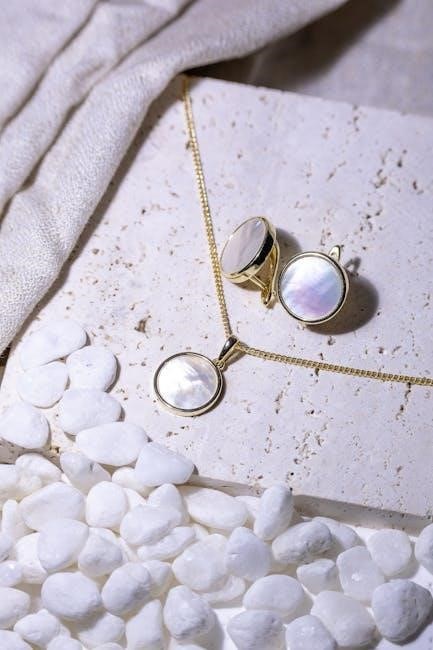
Pearl earring size significantly impacts their aesthetic appeal. Smaller pearls suit delicate features, while larger ones make bold statements. Choose sizes that complement your face shape and style for a timeless look.
Choosing the Right Pearl Size for Earrings
Pearl size plays a crucial role in earring design, balancing style and comfort. Smaller pearls (6-8mm) are ideal for delicate, everyday wear, while larger pearls (9-10mm) make a bold statement. Consider face shape: round faces look great with elongated drops, while oval faces suit round studs. Personal style also matters—classic looks favor 8-9mm pearls, while trendy designs often use larger sizes. Pairing earring size with necklace size ensures a cohesive look. Choose wisely to enhance your elegance and confidence, ensuring the pearls complement your features and wardrobe seamlessly.
Popular Earring Styles Based on Pearl Size
Pearl size significantly influences earring styles, offering versatility for every taste. Smaller pearls (6-8mm) are ideal for delicate studs or minimalist hoops, while medium-sized pearls (9-10mm) enhance drop earrings or lever backs. Larger pearls (11mm+) create statement pieces, such as chandelier or cluster earrings. The size determines the earring’s visual impact, balancing elegance with personal style. Whether subtle or bold, the right pearl size ensures a flawless look, making it essential to choose based on desired aesthetics and wearability.
Pearl Size and Occasion
Pearl size plays a key role in occasion appropriateness. Larger pearls suit formal events, while smaller ones are ideal for everyday wear or casual gatherings.
Choosing Pearls for Special Occasions
For special occasions, pearl size plays a crucial role in making a statement. Larger pearls, such as 10mm or above, are ideal for weddings or formal events, exuding luxury and elegance. Smaller pearls, around 7-8mm, are perfect for everyday wear or casual gatherings. Consider the wearer’s style and the event’s formality when selecting. A 9mm pearl strikes a balance, suitable for both formal and semi-formal settings. Pairing the right size with the occasion ensures a timeless and sophisticated look, making your pearl jewelry truly unforgettable.
Everyday Wear: Pearl Size Considerations
Pearl size plays a significant role in everyday wear, balancing style and practicality. Smaller pearls (7-8mm) are ideal for casual outfits, offering a subtle, elegant look. Larger pearls (10mm+) can still be worn daily but may draw more attention. Consider your lifestyle and personal comfort when selecting sizes. Pair smaller pearls with delicate jewelry for a minimalist vibe, while larger pearls can elevate professional attire. Ultimately, the right size enhances your daily look without compromising comfort or versatility.
Budget and Pearl Size
Your budget plays a crucial role in selecting pearl sizes. Smaller pearls offer affordability without sacrificing elegance, making them a stylish choice for those with budget constraints.
How Budget Affects Pearl Size Choices
Your budget plays a significant role in selecting pearl sizes. Larger pearls are typically more expensive due to their rarity, making them accessible only to those with higher budgets. Smaller pearls, while still luxurious, offer affordability for those with tighter financial constraints. Freshwater pearls, for instance, provide a cost-effective option without compromising elegance. Balancing size preferences with budget ensures you can enjoy high-quality pearls that align with your spending capacity, proving that luxury can be attainable at various price points.
Affordable Pearl Options by Size
Affordable pearl options are available across various sizes, making luxury accessible. Smaller pearls, like 6-7mm Akoya, offer elegance at a lower cost. For budget-friendly choices, consider freshwater pearls, which are often more affordable while maintaining beauty. Larger pearls may be pricier, but combining smaller sizes can create stunning, cost-effective designs. Explore options within your budget to find the perfect balance of size, quality, and affordability. This guide helps you make informed decisions, ensuring you find beautiful pearls that fit both your style and budget seamlessly.
Pearl Size and Personal Preference
Pearl size reflects personal style, body type, and aesthetic preferences. Choose sizes that complement your features and wardrobe, ensuring a harmonious balance between elegance and individuality.
Matching Pearl Size to Your Personal Style
Choosing the right pearl size involves considering your personal style, face shape, and body type. Smaller pearls, like 7-8mm, complement delicate features, while larger sizes, such as 10-12mm, create a bold statement. For petite frames, smaller pearls are flattering, while taller individuals can carry off larger sizes effortlessly. Consider your wardrobe and lifestyle—subtle pearls for everyday wear or dramatic sizes for special occasions. The goal is to find a balance where the pearls enhance your natural beauty and align with your unique aesthetic, ensuring a timeless and polished look.
Body Type and Pearl Size Selection
Your body type plays a significant role in selecting the ideal pearl size. Petite individuals often look best with smaller pearls (7-8mm), as larger sizes may overwhelm their frame. Those with average builds can balance a variety of sizes, while taller or broader individuals may prefer larger pearls (10mm or more) for a proportional look. Consider your neck length, shoulder width, and overall stature to ensure the pearls complement your physique. The right size enhances your natural elegance, creating a harmonious balance between you and the jewelry.
Measuring Pearl Size
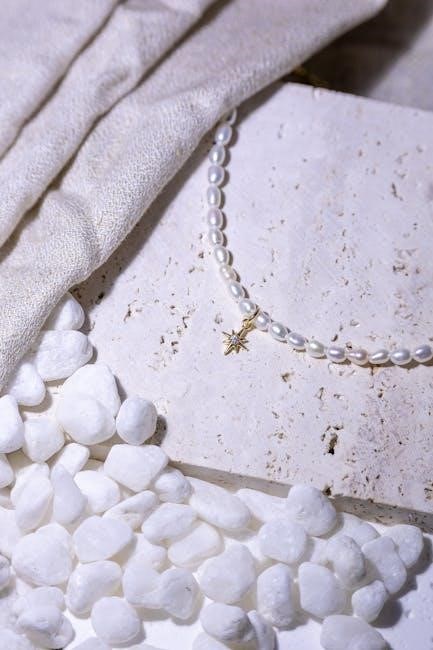
Accurate pearl size measurement requires precision, using tools like digital calipers. Measure diameter by gently rolling the pearl, ensuring consistent and reliable size assessment for jewelry purposes.
How to Accurately Measure Pearls
To measure pearls accurately, use a digital caliper for precision. Place the pearl on a flat surface and measure its diameter in millimeters. Compare the size to a millimeter chart for reference. For round pearls, measure across the widest point. For irregular shapes, take the average of multiple measurements. This method ensures consistency and helps match pearls for jewelry. Always measure in a well-lit area to avoid errors. Using a caliper is the most reliable way to determine pearl size accurately for styling or valuation purposes.
Tools for Measuring Pearl Size
Accurate pearl size measurement requires the right tools. A digital caliper is the most precise tool, providing millimeter measurements. A pearl gauge or ruler can also be used for quick assessments. Additionally, a jeweler’s loupe helps examine surface quality alongside size. For DIY measurements, a standard ruler with millimeter markings suffices. These tools ensure consistency and reliability when determining pearl dimensions, aiding in informed purchasing decisions and style matching. Proper measurement tools are essential for understanding pearl size and its impact on jewelry design and value.
Pearl Size and Luster
Pearl size influences perceived luster, as larger pearls often display more nacre depth. However, smaller pearls can still boast high luster with pristine surface quality and strong light reflection.
How Luster Affects Pearl Size Perception
Luster significantly influences how pearl size is perceived. High-luster pearls appear larger due to their reflective surface, creating an illusion of size. Conversely, low-luster pearls may seem smaller, as light doesn’t bounce off their surface as effectively. This optical effect means that even slightly smaller pearls with exceptional luster can visually rival larger ones with duller finishes. Surface quality also plays a role, as flawless pearls with high luster enhance the perception of size. Understanding this relationship helps in selecting pearls that maximize visual impact, ensuring they look stunning in any jewelry setting.
Surface Quality and Size Considerations
Surface quality significantly influences a pearl’s value and appearance, regardless of size. Larger pearls may have more noticeable imperfections, while smaller ones often appear smoother. High-luster pearls tend to hide minor flaws better, making size and surface quality interdependent factors. Assessing surface quality involves evaluating blemishes, spots, or irregularities. While larger pearls are rarer and more valuable, their surface must be pristine to justify higher prices; Smaller pearls with excellent surface quality can still be stunning and desirable, proving that size alone doesn’t define a pearl’s beauty or worth.
Pearl Size Trends
Current trends favor larger pearls for statement jewelry and smaller, sustainable options for everyday wear, reflecting shifting consumer preferences and ethical considerations.
Current Trends in Pearl Sizes
Current trends in pearl sizes reflect a shift toward larger, statement-making pearls, particularly in high-end jewelry. Designers are favoring 10mm to 14mm pearls for their dramatic impact. Smaller pearls, around 7mm to 9mm, remain popular for everyday wear due to their versatility; Sustainability is also influencing trends, with a focus on eco-friendly farming practices. Consumers are drawn to unique, imperfect shapes and natural colors, adding character to modern designs. These trends emphasize both luxury and practicality, catering to diverse preferences and occasions.
Future of Pearl Size in Jewelry
The future of pearl size in jewelry is poised for innovation, blending tradition with modern trends. Sustainability and ethical practices will drive demand for lab-grown pearls, offering eco-friendly alternatives. Larger, rarer pearls may gain prominence as statement pieces, while smaller, more affordable options cater to everyday wear. Customization and personalized sizing could emerge as key trends, allowing buyers to tailor pearls to their style. Advances in technology, like 3D modeling, may revolutionize how pearl sizes are visualized and selected, making the process more accessible and engaging for consumers worldwide.
Frequently Asked Questions
What is the average pearl size? How does size affect value? Find answers to common questions about pearl sizing, helping you make informed decisions when selecting pearls.
Common Questions About Pearl Size
What pearl size is best for jewelry? How does size impact style and value? Is a 10mm pearl considered large? What are the smallest and largest pearl sizes available? Are there standard sizes for necklaces or earrings? How does budget influence pearl size choices? Can smaller pearls still make a statement? How do I determine the right size for my personal style? These questions and more are answered in this guide, helping you make informed decisions when selecting the perfect pearls for your needs.
Expert Answers on Pearl Size Selection
Experts emphasize that pearl size significantly impacts both value and style. Larger pearls are rarer and more valuable, while smaller ones offer affordability and versatility. When selecting, consider the occasion—smaller pearls suit everyday wear, while larger ones make statement pieces for special events. Budget also plays a role; balancing size with quality ensures a wise investment. Ultimately, the right size enhances the wearer’s personal style and appeal, making it a thoughtful choice for both gift-giving and self-purchase.
Pearl size is a key factor in style, value, and personal appeal. Use this guide to make informed choices and find the perfect pearls for your needs.
Final Thoughts on Pearl Size Guide
Next Steps in Choosing the Perfect Pearls
Now that you’ve explored the world of pearl sizes, it’s time to apply your knowledge. Consider your budget, personal style, and the occasion. Consider consulting a professional jeweler or using online tools to visualize how different sizes will look on you. Think about pairing pearls with complementary jewelry pieces to enhance their impact. Most importantly, trust your instincts and choose pearls that resonate with your unique taste and preferences. With this guide, you’re equipped to make an informed and confident decision.