Manual transmissions, while reliable, can develop issues like clutch failure, hard shifting, or unusual noises. Early detection and proper maintenance are crucial to prevent costly repairs and ensure smooth operation.
1.1 Overview of Manual Transmissions
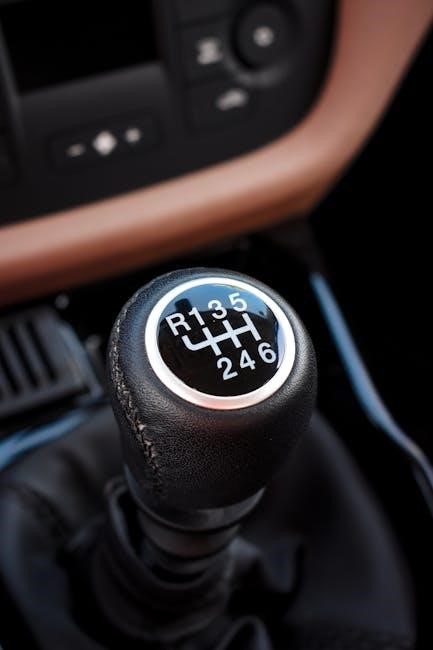
A manual transmission, also known as a stick shift, is a type of gearbox that requires the driver to manually change gears using a clutch pedal and a shift lever. It consists of a clutch, flywheel, and a series of gears that engage to transfer power from the engine to the wheels. Unlike automatic transmissions, manual transmissions rely on the driver’s input to synchronize gear shifts, providing better control and fuel efficiency. The system operates through a combination of mechanical linkages and hydraulic systems, allowing the driver to select the appropriate gear for driving conditions. Regular maintenance, such as checking transmission fluid levels and inspecting the clutch system, is essential to ensure smooth operation. Over time, components like synchronizers, bearings, and shift linkages can wear out, leading to common issues such as hard shifting or noisy operation.
1.2 Importance of Addressing Transmission Problems
Addressing manual transmission issues promptly is vital to prevent minor problems from escalating into major repairs. Ignoring symptoms like unusual noises, hard shifting, or fluid leaks can lead to costly damage, such as worn gears or failed bearings. Early detection and repair not only save money but also ensure safety on the road. For instance, a transmission that drops out of gear unexpectedly can cause loss of control, posing a significant risk to drivers and passengers. Regular maintenance practices, such as fluid checks and inspections, can extend the lifespan of the transmission. Additionally, timely interventions prevent secondary damage to connected components like the clutch and driveline. By addressing issues early, drivers can maintain optimal vehicle performance and avoid the inconvenience of breakdowns. Proactive care is essential for preserving the reliability and longevity of a manual transmission system.
1.3 Common Signs of Manual Transmission Issues
Identifying signs of manual transmission problems early is crucial for preventing further damage. Common indicators include unusual noises, such as buzzing, clicking, clunking, humming, or roaring, which may signal worn bearings or damaged gears. Difficulty shifting gears, such as hard shifting or gears slipping out of place, is another red flag. If the transmission randomly drops out of gear, it can lead to unsafe driving conditions. Additionally, a burning smell or the presence of a sweet, metallic odor often points to overheating or low transmission fluid levels. Leaks, evidenced by red or dark red puddles under the car, indicate fluid loss, which can cause severe damage if unaddressed. Drivers should also be alert to grinding sensations or resistance when shifting, as these can signify clutch or synchronizer issues. Recognizing these signs promptly can help prevent costly repairs and ensure the transmission operates smoothly.

Common Manual Transmission Issues
Manual transmissions often face problems like clutch failure, hard shifting, noisy bearings, gears dropping out, and slipping clutches. These issues can arise from worn components or improper maintenance.
2.1 Clutch Failure
Clutch failure is a common issue in manual transmissions, often due to wear and tear or improper use. Symptoms include difficulty shifting gears, a slipping clutch, or a spongy pedal feel. Over time, the clutch disc can wear down, reducing its ability to engage properly with the flywheel. Driver behavior, such as riding the clutch or sudden acceleration, can accelerate wear. If left unaddressed, clutch failure can lead to complete loss of gear engagement, making the vehicle inoperable. Replacing the clutch is typically required, a process that involves removing the transmission and installing a new clutch kit. Early detection is crucial to prevent further damage to related components like the flywheel or pressure plate. Regular inspection and proper driving habits can help extend the clutch’s lifespan and avoid costly repairs.
2.2 Hard Shifting
Hard shifting is a common manual transmission issue where gears become difficult to engage, requiring excessive force. This can result from worn synchronizers, damaged shift linkages, or low transmission fluid levels. Synchronizers, which help gears mesh smoothly, can wear out over time, causing resistance when shifting. Similarly, a damaged shift linkage may misalign gears, making it hard to shift. Low or dirty transmission fluid can also reduce hydraulic pressure, leading to stiff gear changes. In some cases, driver error, such as not fully depressing the clutch or shifting too quickly, can contribute to hard shifting. If ignored, this issue can lead to further damage, like chipped gears or a faulty transmission. Addressing hard shifting early, whether through fluid checks or component repairs, is essential to maintain smooth gear transitions and prevent costly repairs down the line.
2.3 Noisy Bearings
Noisy bearings are a common issue in manual transmissions, often manifesting as unusual sounds like buzzing, clicking, or clunking. These noises typically indicate worn or damaged bearings within the transmission. Bearings play a critical role in reducing friction and enabling smooth gear operation. When they degrade, they can cause vibrations and audible signals that drivers should not ignore. A buzzing sound may suggest a faulty input or output shaft bearing, while clicking could indicate issues with the mainshaft or countershaft bearings. Ignoring these noises can lead to more severe damage, such as gear failure or complete transmission breakdown. Regular maintenance, including lubrication checks and bearing inspections, can help prevent these problems. If unusual noises persist, it is essential to have the transmission inspected by a professional mechanic to avoid costly repairs. Early detection is key to maintaining the longevity of the manual transmission system.

2.4 Gears Dropping Out of Place
Gears dropping out of place is a concerning issue in manual transmissions, often caused by worn or damaged components such as synchronizers, shift linkage, or bearings. This problem can occur unexpectedly, leaving the transmission in neutral or causing difficulty in maintaining gear engagement. If the gears drop out of place while driving, it can lead to a loss of control, making it a critical safety hazard. Common causes include excessive wear on the shift fork, a damaged mainshaft, or low transmission fluid levels, which reduce lubrication and increase friction. In some cases, water ingress or contamination of the transmission fluid can also contribute to this issue. It is imperative to address this problem immediately, as it can result in further damage to the transmission and other connected components. A professional mechanic should inspect and repair the transmission to ensure safe and reliable operation.
2.5 Slipping Clutch
A slipping clutch is a common issue in manual transmissions, often caused by wear and tear on the clutch components. When the clutch fails to engage properly, it can lead to a loss of power transfer between the engine and the gearbox, resulting in poor acceleration and difficulty in maintaining speed. This problem is frequently due to a worn-out clutch disc, pressure plate, or flywheel. Additionally, contamination of the clutch surfaces by oil or grease can exacerbate the issue. Drivers may notice a spongy or loose clutch pedal, along with a burning smell when the clutch slips under load. If left unaddressed, a slipping clutch can cause further damage to the transmission and other related parts. Regular inspection and maintenance of the clutch system are essential to prevent this issue and ensure smooth operation of the manual transmission.
Causes of Manual Transmission Issues
Manual transmission issues often stem from worn synchronizers, damaged shift linkages, low or dirty fluid, and clutch system problems, which can lead to poor shifting and operational failures.
3.1 Worn Synchronizers
Worn synchronizers are a common cause of manual transmission issues, leading to difficulty in shifting gears smoothly. Synchronizers are responsible for ensuring gears engage properly during shifts. Over time, they can wear out due to high mileage, aggressive driving, or lack of maintenance. When synchronizers deteriorate, drivers may experience grinding noises, hesitation, or difficulty shifting into higher gears, especially when accelerating. In some cases, the transmission may refuse to engage a gear altogether. If left unaddressed, worn synchronizers can lead to further damage, such as gear tooth wear or complete gear failure. Regular inspection and maintenance of the transmission system can help identify worn synchronizers early, preventing costly repairs. Replacing worn synchronizers is typically necessary to restore smooth shifting and ensure optimal transmission performance.
3.2 Damaged Shift Linkage
Damaged shift linkage is another common issue affecting manual transmissions. The shift linkage connects the gearshift to the transmission, enabling precise gear changes. Over time, components like shift forks, rods, or couplers can wear out or bend, leading to sloppy or imprecise shifting. Symptoms include gears popping out of place, difficulty engaging gears, or a loose gearshift. In severe cases, the transmission may fail to respond to shift inputs, leaving the car in the wrong gear. Causes often stem from high mileage, rough driving conditions, or physical damage to the linkage. Addressing damaged shift linkage promptly is essential to prevent further transmission damage. Repairing or replacing faulty components can restore proper shifting and ensure reliable performance. Regular inspections can help identify issues early, avoiding more extensive and costly repairs down the line.
3.3 Low or Dirty Transmission Fluid
Low or dirty transmission fluid is a significant issue for manual transmissions, often leading to poor performance and potential damage. Transmission fluid lubricates gears and synchronizers, ensuring smooth shifting. When fluid levels drop or the fluid becomes contaminated, it can cause gears to grind, slip, or fail to engage properly. Symptoms include difficulty shifting, unusual noises, or a burning smell. Dirty fluid can also lead to overheating, which damages internal components. Regular fluid checks are essential to maintain optimal levels and cleanliness. If the fluid is dark, gritty, or has a burnt odor, it needs to be replaced. Neglecting this can result in costly repairs, such as replacing damaged gears or even the entire transmission. Proper maintenance, including fluid changes, helps extend the lifespan of the transmission and ensures reliable operation.
3.4 Clutch System Problems
Clutch system issues are a common cause of manual transmission problems, often leading to slipping, failure to engage gears, or difficulty shifting. The clutch connects and disconnects the engine from the transmission, and its malfunction can disrupt power transfer. Worn or warped clutch plates, a faulty pressure plate, or a failing clutch master or slave cylinder can cause these issues. Symptoms include a spongy clutch pedal, grinding noises when shifting, or the clutch failing to disengage fully. If left unaddressed, clutch problems can lead to further damage to the transmission and other components. Regular inspection and maintenance of the clutch system are crucial to prevent these issues. Replacing worn parts early can avoid more extensive and costly repairs down the line, ensuring smooth and reliable operation of the manual transmission.

Diagnosis of Manual Transmission Problems
Diagnosing manual transmission issues involves identifying unusual noises, checking fluid levels, and inspecting for leaks. Early detection helps prevent severe damage and costly repairs, ensuring optimal performance.
4.1 Identifying Unusual Noises
Unusual noises from a manual transmission can signal underlying issues. Buzzing, clicking, clunking, or humming sounds often indicate problems with bearings, gears, or seals. These noises may also point to low or dirty transmission fluid, which can lead to overheating and further damage. It’s essential to recognize these sounds early, as they can escalate into more severe problems if ignored. Regular listening to your vehicle’s operation can help catch these issues before they become critical. If you notice any unfamiliar sounds, it’s advisable to have a professional inspect the transmission to determine the cause and prevent costly repairs. Early detection is key to maintaining the health and longevity of your manual transmission system.
4.2 Checking Transmission Fluid Levels
Checking transmission fluid levels is a critical step in maintaining manual transmission health. Unlike automatic transmissions, manual transmissions typically require less fluid, but it’s still essential to ensure proper lubrication. Low fluid levels can lead to overheating, damaged gears, and premature wear on bearings and synchronizers. To check the fluid, you may need to locate the filler plug, often found on the side or bottom of the transmission. This process often requires lifting the car with a hydraulic jack and supporting it with jack stands. If the fluid level is low or the fluid appears dark and gritty, it’s a sign that it needs to be replaced. Regular fluid checks can prevent costly repairs and ensure smooth gear engagement. Always consult a professional if you’re unsure about the process or results.
4.3 Inspecting for Leaks
Inspecting for leaks is a vital part of diagnosing manual transmission issues. Transmission fluid leaks can lead to severe damage if left unaddressed. Start by examining the ground beneath your car for any signs of fluid droplets. Transmission fluid is often red or dark red and may have a sweet odor. If you notice a puddle, it could indicate a leak in the transmission pan, seals, or gasket. Inspect the transmission pan and surrounding areas for any cracks or damage. Additionally, check the shift linkage and clutch system for any signs of fluid seepage. If you detect a leak, it’s crucial to address it promptly to prevent further damage. Low fluid levels can cause overheating, gear failure, and costly repairs. Always consult a professional if you’re unsure about the source or severity of the leak.
Maintenance Tips for Manual Transmissions
Regular fluid checks and clutch inspections are essential for maintaining manual transmissions. Ensure fluid levels are adequate and clean to prevent wear and tear on internal components.
5.1 Regular Fluid Checks
Regular fluid checks are vital for maintaining manual transmissions. Transmission fluid lubricates gears and bearings, preventing overheating and wear. Low or dirty fluid can lead to slipping, grinding, or failure. Check the fluid level and condition periodically. If it’s dark, gritty, or smells burnt, replace it immediately. Use the correct type of fluid specified by your vehicle’s manufacturer. Neglecting fluid maintenance can result in costly repairs, such as replacing worn gears or bearings. Always refer to your owner’s manual for guidance on how to check and top up the fluid. If unsure, consult a professional mechanic to ensure your transmission remains in optimal condition.
5.2 Inspecting the Clutch System
Inspecting the clutch system is essential for maintaining manual transmission health. The clutch facilitates smooth gear transitions, and its failure can lead to slipping or failure to engage gears. Signs of wear include spongy pedals, difficulty shifting, or a burning smell. Regularly check the clutch pedal’s operation, ensuring it has the correct range of motion. Inspect the clutch cable or hydraulic system for leaks or damage. If the clutch shows excessive wear, replace it promptly to avoid costly repairs. Additionally, ensure the flywheel is free from scoring or glazing, as this can affect clutch performance. Regular inspections can prevent major issues, ensuring smooth and efficient gear changes. Always follow the manufacturer’s guidelines for clutch maintenance and replacement to extend the lifespan of your manual transmission.
Repair and Replacement Options
Repairing or replacing manual transmission components can address issues like clutch failure or damaged linkages. Options include rebuilding the transmission, replacing the clutch, or fixing shift linkage problems to restore functionality.
6.1 Replacing the Clutch
Clutch replacement is a common repair for manual transmissions due to wear or failure. A slipping or failing clutch can cause poor engine performance and difficulty shifting gears. The process typically involves removing the transmission to access the clutch assembly. A mechanic will inspect the flywheel for damage and replace the clutch disc, pressure plate, and bearing. It’s important to address clutch issues early to prevent further damage to the transmission or flywheel. Regular inspections and avoiding riding the clutch can extend its lifespan. If ignored, a faulty clutch can lead to costly repairs, making timely replacement essential for maintaining smooth vehicle operation and preventing additional mechanical problems down the road.
6.2 Fixing Shift Linkage Issues
Shift linkage problems are common in manual transmissions, often causing gears to slip or refuse to engage. Issues may stem from worn or damaged components like shift forks, linkages, or synchronizers. Repairing shift linkage involves inspecting and replacing faulty parts, ensuring smooth gear transitions. Regular maintenance, such as lubricating connections and checking for wear, can prevent these issues. Addressing linkage problems early avoids more severe damage to the transmission, ensuring reliable performance and driver control. If neglected, these issues can lead to costly repairs, making timely intervention crucial for maintaining the transmission’s functionality and overall vehicle reliability.
6.3 Rebuilding the Transmission
Rebuilding a manual transmission is a comprehensive process aimed at restoring it to optimal functionality. This involves disassembling the unit, inspecting each component, and replacing worn or damaged parts such as bearings, gears, and synchronizers. The clutch system and shift linkage are also examined for wear. Proper lubrication and alignment are critical during reassembly to ensure smooth operation. While rebuilding can be cost-effective compared to replacing the entire transmission, it requires mechanical expertise and specialized tools. Regular maintenance, such as fluid changes and inspections, can prevent the need for a rebuild. Addressing issues early helps avoid major repairs, ensuring the transmission operates efficiently and reliably for years to come. Rebuilding is a viable option when major components are still in good condition, offering a balance between cost and performance.

Conclusion
Manual transmission issues can be effectively managed with early detection and proper maintenance. Regular checks and addressing problems promptly ensure longevity and reliability, balancing cost and performance.
7.1 Summary of Key Points
Manual transmission issues often stem from worn components like synchronizers or damaged linkages. Common problems include clutch failure, hard shifting, and noisy bearings. Low or dirty transmission fluid can exacerbate these issues, leading to slipping or gear drops. Regular maintenance, such as fluid checks and clutch inspections, is vital to prevent major repairs. Addressing symptoms like unusual noises or difficulty shifting early can save costs. Repair options range from replacing the clutch to rebuilding the transmission. Understanding these key points helps drivers maintain their manual transmissions effectively, ensuring longevity and performance. Early detection and proper care are essential to avoid costly fixes and keep the vehicle running smoothly.
7.2 Importance of Early Detection
Early detection of manual transmission issues is critical to prevent minor problems from escalating into major repairs. Ignoring symptoms like unusual noises or difficulty shifting can lead to costly damage. For instance, a slipping clutch or worn synchronizers, if left unchecked, can result in complete transmission failure. Regular inspections and addressing issues promptly ensure smoother operation and extend the lifespan of the transmission. Additionally, early detection enhances safety by preventing sudden gear drops or loss of control while driving. By monitoring fluid levels, listening for abnormal sounds, and responding to performance changes, drivers can avoid expensive overhauls. Early intervention not only saves money but also minimizes downtime, keeping the vehicle reliable and efficient. Proactive maintenance is key to maintaining the health and functionality of a manual transmission system.
7.3 Final Thoughts on Manual Transmission Care
Proper care and maintenance are essential for extending the life of a manual transmission. Regular checks of transmission fluid levels, clutch operation, and shift linkage ensure smooth performance. Addressing issues like worn synchronizers or damaged bearings early prevents costly repairs. Consistent maintenance habits, such as monitoring for leaks and unusual noises, can significantly reduce the risk of major failures. Additionally, adopting good driving practices, like avoiding riding the clutch, helps preserve the system. While manual transmissions are durable, neglecting routine care can lead to premature wear. By staying proactive and addressing problems promptly, drivers can enjoy reliable and efficient gear shifting for years. Remember, early detection and professional intervention are key to maintaining optimal transmission health and avoiding unnecessary expenses.