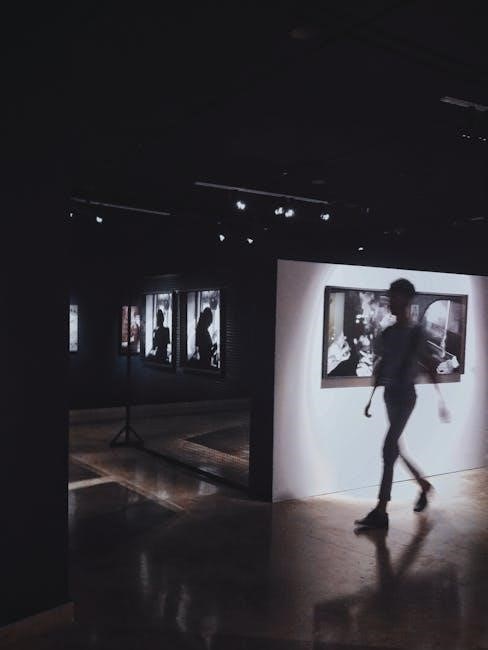
Modest Mussorgsky’s Pictures at an Exhibition is a iconic Russian composition, originally for piano, now widely arranged for trumpet. Its dramatic style and intricate movements, like Promenade and Bydlo, offer rich material for trumpet interpretations, blending technical challenge and emotional depth, making it a favorite for both performance and educational purposes;
1.1 Historical Context of the Composition
Modest Mussorgsky composed Pictures at an Exhibition in 1874, inspired by an art exhibition honoring his friend, Russian artist Viktor Hartmann. Originally written for solo piano, the piece reflects Mussorgsky’s emotional response to Hartmann’s works, blending Russian folklore and dramatic contrasts. The composition gained fame after Maurice Ravel’s orchestration in 1922, which highlighted its grandeur and complexity. Over time, arrangements for trumpet emerged, adapting the work’s vivid imagery and technical challenges for brass instruments. These arrangements maintain the original’s essence while showcasing the trumpet’s expressive capabilities, making it a popular choice for both solo and ensemble performances. The historical context underscores Mussorgsky’s innovative approach to musical storytelling, which continues to inspire adaptations across genres and instruments.
1.2 Mussorgsky’s Original Vision
Mussorgsky’s original vision for Pictures at an Exhibition was deeply personal, reflecting his grief over the death of his friend Viktor Hartmann. The composition is a musical journey through an imaginary exhibition of Hartmann’s artwork, with each movement evoking a specific piece. Mussorgsky’s intent was to capture the emotional and visual essence of Hartmann’s creations, using bold contrasts and vivid imagery. The piano’s dynamic range allowed for dramatic shifts in tone, from the solemn “Il Vecchio Castello” to the triumphant “The Great Gate of Kiev.” This vision has been preserved in trumpet arrangements, which maintain the original’s emotional depth while adapting its technical demands for brass instrumentation. Mussorgsky’s innovative approach to musical storytelling continues to inspire adaptations, ensuring his vision remains relevant across generations and instruments.
1.3 The Role of Trumpet in the Original Score
In Mussorgsky’s original piano composition of Pictures at an Exhibition, the trumpet did not play a direct role, as the work was written solely for solo piano. However, the piece’s dramatic and orchestral nature has led to numerous adaptations, including arrangements featuring the trumpet. The original score’s bold, orchestral-like passages have inspired transcriptions for brass instruments, with the trumpet often taking center stage in these interpretations. The Philharmonia Orchestra’s rendition, for instance, highlights the trumpet’s ability to project the work’s grandeur and complexity. While Mussorgsky did not envision the trumpet in his initial creation, its inclusion in modern arrangements underscores the instrument’s versatility and expressive capabilities, making it a natural fit for capturing the composition’s dynamic and emotional depth.
Trumpet Arrangements of “Pictures at an Exhibition”
Trumpet arrangements of Mussorgsky’s masterpiece offer diverse interpretations, from solo performances to ensemble pieces, showcasing the instrument’s versatility. These adaptations highlight the composition’s dramatic essence, blending technical challenge with artistic expression.
2.1 Promenade for Trumpet Solo
The Promenade from Pictures at an Exhibition is a popular choice for trumpet solo arrangements, offering a majestic and lyrical showcase of the instrument. Arrangers like Timothy Loest and Patrick Roszell have crafted versions that highlight the trumpet’s ability to convey Mussorgsky’s original piano composition with clarity and expression. The piece’s rhythmic and melodic complexity makes it a compelling challenge for advanced players, while its familiar theme ensures audience engagement. Many arrangements, such as those by Noah J. Kim, feature the Promenade as a standalone work or part of a larger suite, often paired with other movements like Bydlo and The Great Gate of Kiev. These solos are widely available as digital downloads, providing trumpeters with accessible resources to perform this iconic piece.
2.2 Bydlo (The Oxcart) Arranged for Bb Trumpet
Bydlo, or “The Oxcart,” is a hauntingly beautiful movement from Pictures at an Exhibition, often arranged for Bb trumpet to capture its somber, plodding rhythm. This arrangement emphasizes the trumpet’s ability to convey the heavy, deliberate pace of the oxcart, evoking vivid imagery. Many free PDF downloads and transcriptions, such as those by tberry841 and millenp_, are available online, offering solo and ensemble versions. Arrangers like Timothy Loest and Patrick Roszell have adapted the piece to highlight the trumpet’s expressive qualities, maintaining the original’s emotional depth. The movement’s moderate tempo and lyrical phrasing make it accessible for intermediate players while providing opportunities to explore dynamics and articulation. These arrangements are particularly useful for educational purposes, helping students master nuanced playing techniques and musical storytelling.
2.3 The Great Gate of Kiev for Trumpet Ensemble
The Great Gate of Kiev is a triumphant conclusion to Pictures at an Exhibition, often arranged for trumpet ensembles to emphasize its grandeur. This movement, with its powerful fanfares and majestic melodies, is particularly suited for multi-trumpet arrangements, showcasing the instrument’s ability to project grandeur. Arrangements by Timothy Loest and Patrick Roszell feature the piece in bold, ensemble settings, highlighting the interplay between trumpets. Digital sheet music platforms offer versions for Bb trumpet ensembles, including solo and trio arrangements, such as those by Noah J. Kim. These adaptations maintain the original’s dramatic intensity while leveraging the trumpet’s brilliance. The piece is a staple in trumpet repertoire, offering opportunities to explore complex harmonies and rhythmic precision, making it a favorite for both performance and educational settings.

Sheet Music Availability
Sheet music for Pictures at an Exhibition is widely available as free PDF downloads or paid arrangements from Hal Leonard and digital platforms like Sheet Music Plus.
3.1 Free PDF Downloads for Trumpet
Free PDF downloads of Pictures at an Exhibition for trumpet are readily available online, offering convenient access to this iconic piece. Websites like MuseScore and 8notes.com provide arrangements specifically tailored for B-flat trumpet, including solo and ensemble versions. These downloads often feature movements such as Promenade and Bydlo, allowing trumpeters to explore Mussorgsky’s masterpiece. Many arrangements are transposed to suit B-flat trumpets, ensuring playability while maintaining the original’s dramatic flair. Some versions are designed for educational purposes, highlighting articulation, dynamics, and phrasing, making them ideal for students. Additionally, platforms like Sheet Music Direct offer free samples and excerpts, enabling musicians to preview and practice specific sections. These free resources democratize access to high-quality sheet music, fostering musical exploration and performance opportunities for trumpeters worldwide.
3.2 Paid Sheet Music Options
Paid sheet music options for Pictures at an Exhibition offer high-quality, professionally arranged scores tailored for trumpet. Publishers like Hal Leonard and Cherry Classics provide detailed arrangements, including solo, duet, and ensemble versions. These paid versions often feature precise notation, dynamics, and articulation markings, ensuring accuracy and clarity. Some arrangements include piano accompaniments, enhancing performance possibilities. Additionally, paid scores may offer transpositions for various trumpet types, such as Bb, C, Eb, flugelhorn, and piccolo trumpet, catering to diverse instrumental needs. Reputable platforms like Sheet Music Plus and nkoda offer digital downloads, making it easy to access and print these premium arrangements. Paid options are ideal for serious musicians seeking polished, reliable sheet music for practice and performance, ensuring a faithful representation of Mussorgsky’s original composition.
3.3 Digital Sheet Music Platforms
Digital sheet music platforms have revolutionized access to Pictures at an Exhibition arrangements for trumpet. Websites like Sheet Music Plus, Musicnotes, and nkoda offer a wide range of digital scores, including solo, duet, and ensemble arrangements. These platforms provide instant downloads, eliminating the need for physical copies. Many scores are available in multiple transpositions, catering to Bb, C, Eb, and even flugelhorn or piccolo trumpet. Platforms like MuseScore and Cherry Classics also feature arrangements by renowned arrangers such as Timothy Loest and Ralph Sauer. Additionally, some platforms offer interactive tools, allowing users to transpose or adjust scores to suit their needs. Digital sheet music platforms are a convenient and versatile option for trumpet players seeking high-quality, adaptable arrangements of Mussorgsky’s masterpiece.
Transposition and Instrumentation
Transposition is crucial for trumpet arrangements of Pictures at an Exhibition. Scores are often transposed for Bb, C, and Eb trumpets, with some arrangements featuring flugelhorn and piccolo trumpet for added timbre and range.
4.1 Transposing for Bb Trumpet

Transposing Pictures at an Exhibition for Bb trumpet requires careful adjustment to maintain the original pitch and tone. Many arrangements are transposed up by 2.5 steps to match concert pitch, then raised another step for Bb trumpet. This ensures the music remains idiomatic and playable. Digital sheet music platforms offer pre-transposed scores, saving time for performers. For example, arrangements by Timothy Loest and Patrick Roszell are popular for their clarity and playability. When transposing, attention must be paid to key signatures and articulations to preserve Mussorgsky’s intent. Some scores also include parts for C and Eb trumpets, offering flexibility for ensembles. Proper transposition ensures that the Bb trumpet can shine in this iconic work, making it accessible for both solo and ensemble performances.
4.2 C Trumpet and Eb Trumpet Arrangements
C trumpet and Eb trumpet arrangements of Pictures at an Exhibition offer unique tonal possibilities, enhancing the work’s dynamic range and color. The C trumpet, with its brighter and more focused sound, is often used for intricate passages, such as in The Great Gate of Kiev, where clarity is essential. Eb trumpets, with their higher pitch, add a piercing brilliance to sections like Promenade, creating a striking contrast. Many arrangements, such as those by Ralph Sauer and Brian Bindner, incorporate multiple trumpet types to exploit these timbral differences. Digital sheet music platforms provide scores tailored for C and Eb trumpets, ensuring optimal playability. These arrangements not only preserve Mussorgsky’s original vision but also expand the technical and expressive possibilities for trumpet players, making the piece a versatile and engaging challenge for advanced musicians.
4.3 Use of Flugelhorn and Piccolo Trumpet
The use of flugelhorn and piccolo trumpet in arrangements of Pictures at an Exhibition adds unique tonal colors and extends the technical possibilities of the music. The flugelhorn, with its warm, mellow sound, is often employed in lyrical sections, such as Il Vecchio Castello, to create a rich, velvety texture. In contrast, the piccolo trumpet, with its bright and agile sound, is ideal for intricate passages like Ballet of the Chicks in Their Shells, where its clarity and precision shine. Arrangers like Ralph Sauer and Timothy Loest have incorporated these instruments to enhance the piece’s dynamic range and emotional depth. Sheet music for these arrangements is widely available, including digital downloads, allowing musicians to explore these innovative interpretations. The inclusion of flugelhorn and piccolo trumpet expands the work’s tonal palette, offering fresh and exciting opportunities for performers.
Performance Considerations
Articulation, phrasing, and dynamics are crucial in Pictures at an Exhibition. Trumpet players must master precise attacks and nuanced expression, following markings carefully. Tempo consistency and interpretive flair are essential for a compelling performance.
5.1 Articulation and Phrasing
Articulation and phrasing in Pictures at an Exhibition require meticulous attention to detail. Trumpet players must navigate the dramatic contrasts between legato and staccato passages, particularly in movements like Promenade and Bydlo. The score often specifies precise articulations, such as marcato and dolce, which are essential for maintaining the composition’s Russian character. Phrasing should reflect the narrative quality of the music, with dynamic contrasts and subtle tempo variations enhancing the emotional depth. Teachers can use these pieces to instruct students on the importance of following markings and interpreting phrasing to convey the composer’s intent. Proper breath control and embouchure are vital for executing the intricate passages seamlessly, ensuring a polished and expressive performance.
5.2 Dynamics and Tempo Markings
Dynamics and tempo markings in Pictures at an Exhibition are crucial for capturing the composition’s dramatic Russian character. Trumpet players must carefully observe Mussorgsky’s indications, such as ff, p, and allegro giusto, to convey the music’s emotional depth. The Promenade theme, for instance, features contrasting dynamics that highlight its majestic and reflective qualities. Tempo variations, such as the brisk rhythms in Bydlo and the grandeur of The Great Gate of Kiev, require precise control to maintain the piece’s narrative flow. Adhering to these markings ensures the music’s intended impact, while subtle interpretive nuances allow for personal expression. These elements also provide valuable teaching moments, helping students master dynamic contrasts and rhythmic accuracy, essential skills for any trumpet performer.
5.3 Teaching Opportunities for Students
Pictures at an Exhibition offers abundant teaching opportunities for trumpet students, focusing on articulation, phrasing, and dynamics. The Promenade theme, with its majestic melody, helps students develop legato playing and nuanced crescendos. Bydlo introduces complex rhythms and gradual dynamic builds, enhancing technical precision and control. The Great Gate of Kiev provides a chance to work on bold, triumphant playing and precise articulation. These movements also encourage students to explore expressive phrasing and tonal variety. Additionally, the piece’s varied tempos and dynamics allow instructors to emphasize the importance of following markings accurately. The availability of arrangements for solo and ensemble settings makes it adaptable for different skill levels, fostering both individual growth and collaborative performance skills. This makes Pictures at an Exhibition a versatile and engaging tool for trumpet education.
Notable Performances and Recordings
Philharmonia Orchestra’s Interpretation stands out, offering a grand orchestral rendition. Trumpet and Organ Duo Performances provide intimate, contrasting interpretations. Multi-Media Adaptations blend visuals with music, enhancing the piece’s storytelling.
6.1 Philharmonia Orchestra’s Interpretation
The Philharmonia Orchestra’s rendition of Pictures at an Exhibition is a landmark performance, showcasing the piece’s grandeur and emotional depth. Conducted with precision, the orchestra brings Mussorgsky’s original vision to life, emphasizing the dramatic Russian style. The trumpet sections shine, particularly in the Promenade movement, where their bold yet nuanced playing highlights the composition’s iconic themes. The orchestra’s interpretation is notable for its balance between brass and other instrumental sections, creating a cohesive and powerful sound. Their performance has been widely acclaimed and is often referenced as a benchmark for orchestral interpretations. Additionally, the Philharmonia Orchestra has explored multi-media adaptations, combining the music with visual narratives to enhance the storytelling aspect of the piece. This innovative approach has made their interpretation a standout in modern classical music performances, inspiring both listeners and trumpet arrangers alike.
6;2 Trumpet and Organ Duo Performances
Trumpet and organ duo performances of Pictures at an Exhibition offer a unique and intimate interpretation of Mussorgsky’s masterpiece. The combination of the trumpet’s agility and the organ’s rich, resonant tones creates a compelling dynamic, particularly in movements like Promenade and The Great Gate of Kiev. Arrangers like Timothy Loest and Patrick Roszell have crafted versions that highlight the interplay between the two instruments, showcasing their expressive capabilities. These duos often feature multiple trumpet types, such as Bb, C, Eb, flugelhorn, and piccolo, adding texture and variety. A notable recording from 1997 by the arrangers themselves has inspired many performers, demonstrating the versatility of this format. Such performances not only preserve the original work’s essence but also provide a fresh, innovative perspective, making them a valuable resource for both trumpet enthusiasts and educators seeking to expose students to diverse musical interpretations.
6.3 Multi-Media Adaptations
Multi-media adaptations of Pictures at an Exhibition have reimagined Mussorgsky’s work for modern audiences. These innovative productions combine the composition with visual elements, creating immersive experiences that enhance the music’s narrative. For instance, a multi-media version of Mussorgsky/Ravel’s arrangement depicts the exhibition through visuals, blending art and sound. Additionally, the piece’s iconic brass chorale has been featured in films, TV shows, video games, and even WWE entrance music, introducing it to diverse audiences. Digital platforms now offer interactive scores, allowing users to explore the music visually while listening. These adaptations not only broaden the work’s reach but also provide educational tools, such as interactive analyses, helping students and enthusiasts delve deeper into the composition’s structure and history. This fusion of tradition and technology ensures Pictures at an Exhibition remains relevant and engaging in the digital age.
Pictures at an Exhibition remains a timeless masterpiece, with its trumpet arrangements offering both artistic challenge and emotional depth. Its enduring appeal ensures a vibrant future for trumpet interpretations of Mussorgsky’s iconic work.
7.1 The Enduring Appeal of “Pictures at an Exhibition”
Modest Mussorgsky’s Pictures at an Exhibition continues to captivate audiences and musicians alike, its enduring appeal rooted in its rich, evocative imagery and emotional depth. Originally composed for piano, the work’s adaptability has led to numerous arrangements, including those for trumpet, which highlight its dramatic and lyrical qualities. The piece’s ability to evoke vivid narratives, such as the majestic “Promenade” or the ominous “Gnomus,” resonates deeply with listeners. For trumpet players, the composition offers a unique blend of technical challenge and expressive opportunity, making it a staple in both educational and performance settings. Its versatility ensures that Pictures at an Exhibition remains a cornerstone of classical music, inspiring new interpretations and adaptations across generations.
7.2 The Future of Trumpet Arrangements
The future of trumpet arrangements for Pictures at an Exhibition is promising, with growing interest in adapting Mussorgsky’s masterpiece for solo and ensemble trumpet performances. Digital sheet music platforms are making these arrangements more accessible, allowing musicians to explore diverse transpositions and instrumentation. The rise of multi-media adaptations and innovative interpretations, such as trumpet and organ duos, suggests a trend toward blending traditional and modern elements. Additionally, the increasing popularity of trumpet ensembles highlights the potential for collaborative performances that showcase the piece’s grandeur. As educators and arrangers continue to create tailored versions for students, the work’s educational value will expand, ensuring its relevance for future generations of trumpet players. This enduring classic is poised to evolve further, embracing new technologies and artistic visions while maintaining its timeless appeal.