Properly organizing your fishing tackle is essential for efficiency and saving time. Using storage solutions like tackle boxes, dividers, and labels helps keep gear accessible and protected, ensuring a better fishing experience.

Gather Necessary Supplies
Start by collecting a tackle box, dividers, labels, and small trays. Consider Plano StowAway or RUNCL trays for efficient storage. These tools help categorize and protect your gear effectively.
2.1 Tackle Box
A tackle box is the cornerstone of any organized fishing setup. Opt for a two-sided tackle box with adjustable dividers to customize compartments for different lure types. Consider models like the Plano Edge or RUNCL boxes, which offer durable construction and water-resistant features. These boxes often include secure latches and anti-corrosion technology to protect your gear. For soft baits, look for boxes with adjustable dividers that can create up to four compartments, ensuring your lures stay organized and easy to access. Some boxes also feature internal storage for small items like hooks and sinkers. When choosing, prioritize size and versatility to accommodate your fishing needs, whether for freshwater or saltwater use. A well-organized tackle box not only saves time but also extends the life of your fishing gear.
2.2 Dividers
Dividers are crucial for maximizing space and organization within your tackle box. Adjustable dividers allow you to customize compartments to fit different lure sizes and types, preventing them from getting tangled or damaged. Consider using foam or plastic dividers, which can be cut to size for a precise fit. Some tackle boxes, like the Plano Edge, come with built-in adjustable dividers, making it easy to separate hard lures, soft baits, and small accessories. For added customization, you can use styrofoam from electronics packaging to create cubbies for small items like hooks and sinkers. Dividers not only keep your gear organized but also save time when searching for specific lures. They are especially useful for storing delicate or fragile items, ensuring they remain in good condition for your next fishing trip.
2.3 Labels
Labels are a simple yet effective way to enhance tackle organization. Clearly marking each compartment or section of your tackle box ensures quick access to specific lures or gear. Use a permanent marker or label maker to identify contents like “Jigs,” “Spoons,” or “Bobbers.” This system prevents time-wasting searches and helps maintain order. Labels are especially useful for small or similar-looking items, such as hooks or sinkers, which can easily get mixed up. Consider labeling storage bins or bags for larger items like rods or reels. By labeling, you create a intuitive system that makes preparing for fishing trips faster and less stressful. Labels also help maintain consistency, ensuring everything has its designated place. This small step significantly improves overall tackle management and efficiency.
Organize Tackle by Type
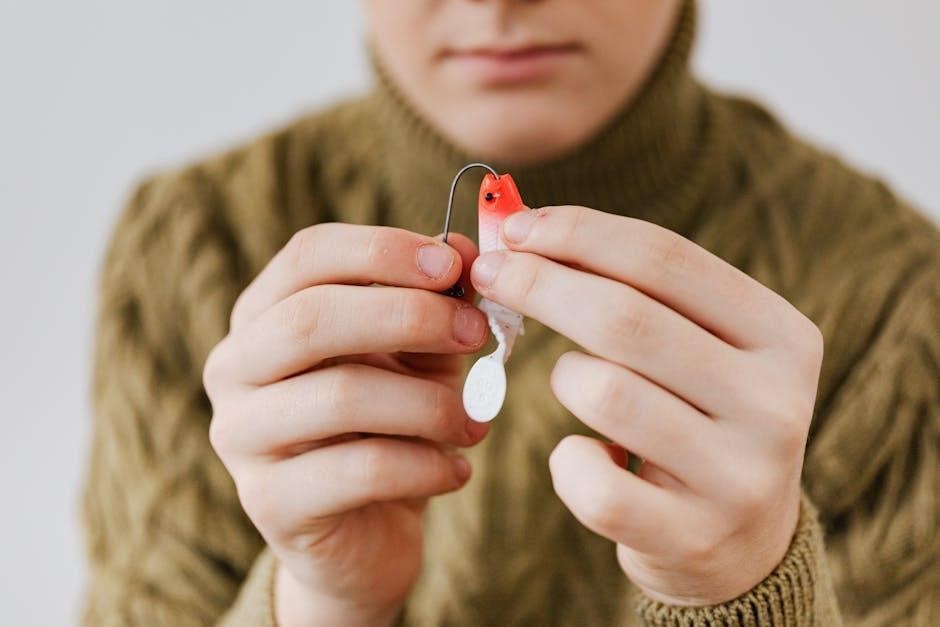
Organize tackle by type to enhance efficiency. Separate hard lures, soft lures, hooks, and sinkers into designated trays or compartments. This system ensures easy access and reduces clutter.
3.1 Hard Lures
Hard lures, such as crankbaits and spoons, should be stored in protective cases or trays to prevent damage. Use tackle trays or clamshell cases to organize them by size and type. This ensures easy access and visibility; For larger collections, consider stackable containers or divided boxes to keep lures separated and secure. Labels can help identify contents quickly. Additionally, storing hard lures in a cool, dry place prevents rust or corrosion. Some anglers prefer two-sided tackle boxes with adjustable dividers for customizable storage. This method keeps lures organized, reduces clutter, and protects them during transport. Proper storage extends the lifespan of your gear and saves time when preparing for fishing trips.
3.2 Soft Lures
Soft lures, such as plastic worms and swimbaits, require careful storage to maintain their shape and prevent damage. Store them in sealed plastic bags or specific soft bait storage boxes to keep them clean and dry. These containers often feature adjustable dividers, allowing you to organize lures by type, size, or color. Labels on the bags or boxes help quickly identify contents, saving time during fishing trips. Some anglers use modular tackle systems with waterproof compartments to protect soft lures from moisture. Proper storage prevents lures from sticking together or losing their texture, ensuring they remain effective. By keeping soft lures organized, you can easily access your favorites and maintain their quality for future use. This method also reduces clutter and extends the lifespan of your fishing gear.
3.3 Hooks and Sinkers
Hooks and sinkers are small but essential components of fishing tackle, requiring careful organization to prevent tangling and rust. Store hooks in small, compartmentalized trays or boxes with dividers to separate sizes and types. Sinkers, such as split shot or egg sinkers, can be stored in similar small containers or ziplock bags. Anti-corrosion technology in tackle boxes helps protect metal components from rust. Labeling each compartment ensures easy access and saves time during fishing trips. For added convenience, some anglers use magnetic strips to store small hooks, keeping them within reach. Proper storage of hooks and sinkers maintains their condition and ensures they remain functional for future use. This method also reduces clutter and makes it easier to find the right gear when needed.
3.4 By Size
Organizing fishing tackle by size is a practical approach to streamline your fishing trips. Start by categorizing lures, hooks, and sinkers into small, medium, and large groups. Use adjustable dividers in your tackle box to create separate compartments for each size category. This prevents smaller items from getting lost and ensures larger gear stays secure. For example, store small jigs and hooks in shallow trays, while reserving deeper compartments for bigger lures like crankbaits or spoons. Label each section to maintain order and make it easier to locate specific sizes quickly. This method also helps protect delicate tackle from damage caused by mismatched sizes. By organizing by size, you can efficiently manage your gear and focus on fishing without unnecessary hassle. This system is especially useful for anglers with extensive collections of varying tackle sizes.
3.5 By Fishing Type
Organizing your tackle by fishing type is a smart way to tailor your gear to specific fishing scenarios. For example, separate your tackle into categories like freshwater, saltwater, ice fishing, or fly fishing. This allows you to grab only what you need for a particular trip, saving time and reducing clutter. Use labeled storage boxes or bags for each fishing type, ensuring easy access to the right tools. For instance, store ice fishing jigs and spoons in one section, while keeping bass lures or fly fishing gear in another. This method also helps protect gear specific to certain conditions, like saltwater-resistant lures, from mixing with freshwater tackle. By categorizing your gear this way, you can quickly adapt to different fishing environments and focus on the adventure at hand. This approach is especially useful for anglers who participate in multiple types of fishing.
Clean and Maintain Gear
Regular cleaning and maintenance of your fishing tackle are crucial for longevity and performance; Start by rinsing gear with fresh water, especially after saltwater use, to remove dirt and debris. Use a mild soap and soft brush to clean lures, hooks, and reels. Dry everything thoroughly to prevent rust and corrosion. Apply anti-corrosion sprays or lubricants to metal components like hooks and reel mechanisms. Store clean gear in a cool, dry place to avoid moisture damage. For tackle boxes, wipe down compartments and replace worn dividers. Cleaning not only preserves your equipment but also ensures it remains functional and ready for your next fishing trip. A well-maintained setup saves time and enhances your overall fishing experience. Regular upkeep is a simple yet effective way to protect your investment and keep your gear in top condition.
Assign a Home for Each Item
Designate specific spots for each piece of gear using dividers and labels. This ensures easy access and keeps your tackle organized, saving time and reducing clutter.
5.1 Tackle Box Organization
A well-organized tackle box is the foundation of efficient fishing preparation. Start by categorizing your gear into sections using dividers, ensuring lures, hooks, and sinkers are separated. Labels on each compartment help quickly identify contents, saving time. Consider using adjustable dividers to customize spaces for different-sized items. For small items like jig heads or beads, use small trays or compartments to prevent mixing. Hard lures can be stored in deeper sections, while soft lures benefit from protective slots. Utilize stackable trays or inserts to maximize vertical space. Some anglers prefer two-sided tackle boxes for better accessibility, with one side for frequently used items and the other for less common gear. This system keeps everything tidy, making it easier to find what you need during a fishing trip. Proper organization also protects delicate tackle from damage.
5.2 Additional Storage Solutions
Beyond the tackle box, additional storage solutions can enhance organization. Consider using modular systems like the SimpliFLY, which offers waterproof containers and internal compartments for small items. Fishing backpacks provide hands-free mobility, ideal for shore or wading trips. For boat storage, rod holders and stackable bins are excellent options, keeping gear secure and within reach. Some anglers use plastic bins with adjustable dividers to store larger items like nets or pliers. Soft-sided tackle bags with rubberized linings protect gear from moisture and abrasion. These solutions complement your tackle box, ensuring all equipment is neatly stored and easily accessible. By implementing these strategies, you can maintain a clutter-free and efficient setup, whether on the water or preparing for your next trip. Proper storage also extends the lifespan of your gear, keeping it in prime condition for future use.
Label Everything for Easy Access
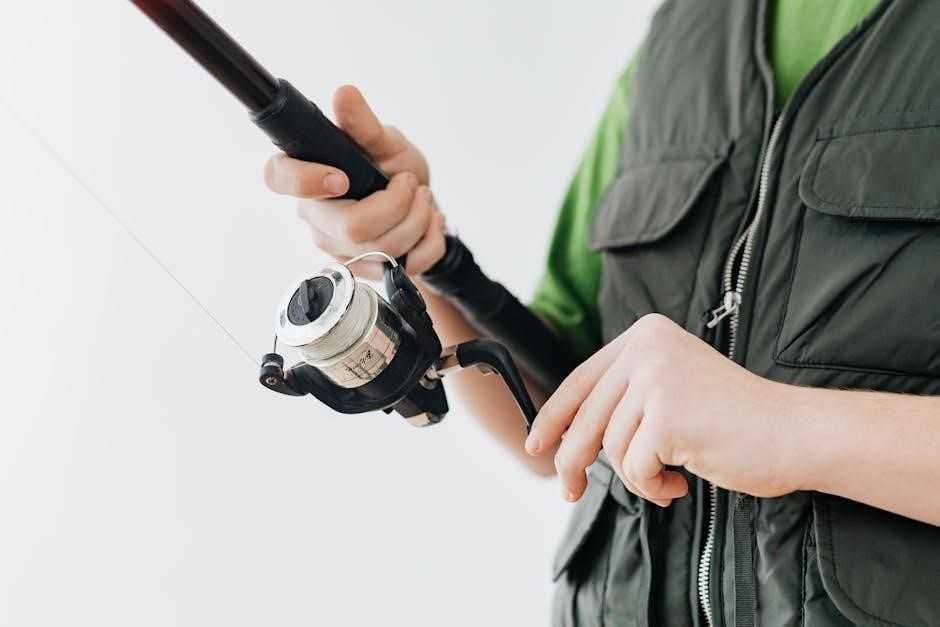
Labeling your fishing tackle is crucial for quick identification and efficient access. Use clear, durable labels on all storage containers, including tackle boxes, trays, and bags. Identify contents by category, such as “Hard Lures,” “Soft Lures,” or “Hooks and Sinkers.” For smaller items, consider using a label maker to detail specifics like “Size 2 Hooks” or “Jigging Raps.” Labels not only save time but also reduce frustration when searching for gear. Additionally, mark rods and reels with their specifications or intended use. This system ensures everything is easy to find, whether you’re on the water or preparing for a trip. Clear labeling also helps maintain organization and prevents clutter from building up. By taking the time to label your gear, you’ll enjoy a more streamlined and stress-free fishing experience.
Store Rods and Reels Properly
Proper storage of rods and reels is essential to maintain their condition and longevity. Use rod holders or racks to keep them upright and secure, preventing bending or damage. For added convenience, install rod holders on the ceiling or use freestanding racks. Stackable bins or containers can store smaller items like lures, tackle boxes, and accessories, keeping them organized and within reach. Consider modular storage systems, such as the SimpliFLY, which offer waterproof compartments and internal storage for small gear like sinkers and hooks. Clean and dry rods and reels before storing them to prevent rust or corrosion. Use protective covers for reels to shield them from dust and moisture. By implementing these storage solutions, you’ll create a clutter-free environment and ensure your gear is ready for the next fishing trip.

Boat Storage Solutions
Utilize rod holders and stackable bins to maximize boat storage. Rod holders keep rods secure, while stackable bins organize lures and tackle boxes efficiently, ensuring everything stays accessible and tidy.
8.1 Rod Holders
Installing rod holders on your boat is a practical way to keep fishing rods secure and within reach. These holders can be mounted on the gunwale, ceiling, or other convenient locations. They come in various styles, such as flush-mount or clamp-on designs, to suit different boat setups. Using rod holders helps protect rods from damage and prevents them from getting in the way while moving around the boat. Many anglers prefer ceiling-mounted racks with hooks for easy access and space-saving storage. These holders are typically made of durable materials like aluminum or PVC, ensuring long-lasting use. By organizing your rods this way, you can maintain a clutter-free deck and focus on fishing without distractions.
8.2 Stackable Bins
Stackable bins are an excellent solution for organizing fishing gear, especially on boats with limited space. These bins can be used to store lures, tackle boxes, and other small accessories, keeping them dry and protected. Many anglers use stackable plastic bins with lids, which can be easily labeled for quick access. They are ideal for storing items like bobbers, jigging raps, and soft baits, ensuring everything remains tidy and within reach. Stackable bins also help maximize storage space in tight areas, such as under seats or in compartments. By customizing the arrangement of these bins, anglers can create a system that suits their specific needs, making fishing trips more efficient and enjoyable. Durable materials and secure lids ensure gear stays safe, even in rough conditions.
Seasonal Storage Tips
Winterizing your gear is crucial to prevent damage. Use anti-corrosion technology to protect hooks and lures from rust. Clean and dry tackle before storing to ensure longevity and readiness for the next season.
9.1 Winterizing Gear
Winterizing your fishing gear is essential to protect it from corrosion and damage. Start by cleaning and drying all tackle thoroughly, paying special attention to hooks and lures. Apply anti-corrosion treatments to prevent rust, especially for metal components. Store items in a cool, dry place, away from direct sunlight. Use water-resistant storage bags or containers with rubberized linings to shield gear from moisture. Consider using hard, moulded bases in storage boxes for added protection. Check for any damaged or worn-out parts and repair or replace them before storing. This ensures your gear remains in excellent condition and is ready for the next fishing season. Proper winterization not only extends the lifespan of your tackle but also saves time and effort when preparing for future trips.
Keep Your Tackle Organized
Keeping your fishing tackle organized is crucial for efficiency and enjoyment. Use modular storage systems like the SimpliFLY or Plano StowAway trays to separate lures, hooks, and sinkers. Clear boxes allow easy visibility, while adjustable dividers customize compartments for different gear. Labeling each section ensures quick access, saving time on the water. Regularly clean and maintain your tackle, lubricating moving parts to prevent rust. Store items in a cool, dry place to protect against moisture and damage. Consider using water-resistant bags or hard-sided cases for added protection. By implementing these strategies, you’ll avoid clutter, extend the lifespan of your gear, and enhance your overall fishing experience. A well-organized tackle collection ensures you’re always prepared for your next adventure.
Organizing your fishing tackle is a simple yet effective way to enhance your fishing experience. By using tackle boxes, dividers, and labels, you can keep your gear tidy and easily accessible. Regular maintenance, such as cleaning and lubricating moving parts, ensures your equipment remains in good condition. Investing in storage solutions like modular systems or water-resistant bags protects your gear from damage. Whether you’re a casual angler or a seasoned pro, a well-organized tackle collection saves time, reduces frustration, and allows you to focus on what matters most—catching fish. With these tips, you’ll be better prepared for your next adventure, ensuring your fishing trips are enjoyable and stress-free;