This series is a cornerstone for music educators, offering a comprehensive approach to teaching band through performance. It provides theoretical insights and practical tools, essential for fostering musical understanding and performance excellence in students.
Overview of the Series and Its Importance
Teaching Music Through Performance in Band is a five-volume series designed to enhance music education through performance-based instruction. It provides annotated lists of band works, organized by difficulty, and offers insights from renowned educators. The series bridges theory and practice, helping directors foster musical understanding and performance excellence. Covering grades 2-6, it includes resource guides and expert contributions, making it an indispensable tool for band educators seeking to elevate student musicianship and appreciation.
Key Concepts and Objectives
The series emphasizes performance-based learning, focusing on curriculum development and enhancing musicality. It guides educators in creating engaging lessons, fostering creativity, and assessing student progress. By linking theory to practice, the resource helps students move beyond the printed page to achieve musical awareness and understanding. Its objective is to equip band directors with practical strategies and insights to cultivate skilled, expressive performers.
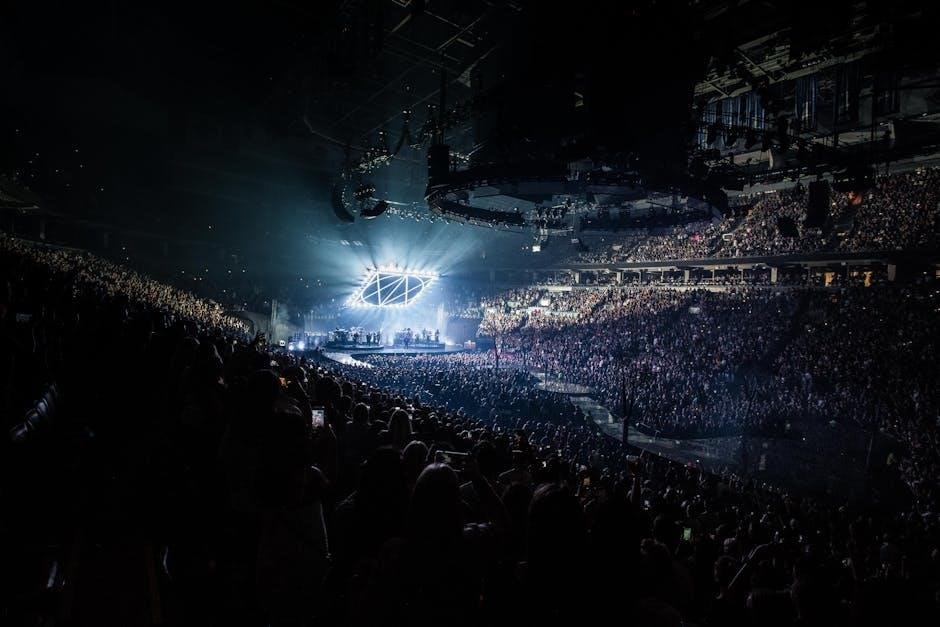
The Role of the Band Conductor as a Music Teacher
The conductor serves as both a leader and educator, inspiring and guiding students to achieve musical excellence while fostering a deep understanding of the music.
Theory and Practice in Music Education
The series bridges theory and practice, offering insights into curriculum design, rehearsal techniques, and performance strategies. It provides educators with practical tools to enhance musical understanding and skill development, ensuring a comprehensive approach to teaching through performance. Resource guides and expert contributions further enrich the educational experience, making it an invaluable resource for band directors seeking to elevate both instructional and performance outcomes.
Materials and Resources for Effective Teaching
The series provides extensive resources, including annotated lists of band works organized by difficulty and teacher resource guides. These guides offer detailed insights into compositions and composers, aiding curriculum development. Recordings and bibliographical references further enhance the educational experience. The materials cater to various skill levels, from grades 2 to 6, ensuring comprehensive coverage. This wealth of resources supports educators in delivering effective instruction and preparing students for exceptional performances.

Curriculum Development for Band Programs
This series offers a structured approach to curriculum design, providing annotated lists of band works and teacher resource guides to aid in creating comprehensive and effective programs.
Designing a Comprehensive Music Curriculum
This series provides a structured approach to curriculum design, emphasizing the integration of performance and education. It includes annotated lists of band works, organized by difficulty, and detailed teacher resource guides. These resources help educators create balanced programs that foster both technical proficiency and musical understanding. The curriculum is designed to evolve with student development, ensuring a progressive learning experience. By aligning repertoire selection with pedagogical goals, educators can cultivate musicianship and appreciation in their students. This approach ensures a holistic musical education.
Integrating Performance into the Learning Process
Performance is a powerful tool for teaching music, enabling students to connect theory with practice. This series emphasizes using performance as a central component of the learning process, helping students move beyond notation to achieve musical understanding. By integrating performance, educators foster engagement, creativity, and technical mastery. The resource guides provide insights into selecting repertoire that aligns with learning objectives, ensuring that every performance contributes to the students’ musical growth and appreciation. This approach creates a dynamic and effective learning environment.
Rehearsal Techniques and Strategies
Effective rehearsal techniques enhance performance quality and student understanding. Strategies include structured warm-ups, focused sectionals, and dynamic pacing to ensure musicality and engagement in every session.
Effective Rehearsal Procedures for Middle School Students
Structured rehearsals are crucial for middle school bands to build skills and confidence. Clear objectives, engaging warm-ups, and focused sectionals ensure productive sessions. Positive reinforcement and gradual challenges help students grow musically. Erin Cole emphasizes the importance of establishing routines that balance technical work with creative expression, fostering a love for music while improving performance quality.
Mastering Music Fundamentals Through Rehearsal
Rehearsals are vital for instilling music fundamentals in students. Edward S. Lisk highlights the importance of breaking down complex concepts into manageable parts, ensuring clarity and precision. By focusing on rhythm, pitch, and timing, students develop a strong foundation. Regular practice of scales, articulations, and dynamics reinforces technical skills. Rehearsals also foster critical listening and musical awareness, enabling students to connect technique with artistic expression, ultimately enhancing overall performance quality and musicianship.
Repertoire Selection and Analysis
This series offers a comprehensive guide to selecting and analyzing band repertoire, organized by difficulty, with expert insights for effective teaching and performance.
Choosing Appropriate Band Literature
Choosing the right band literature is crucial for student growth and engagement. This series provides annotated lists of works, organized by grade level, to help directors select pieces that match their ensemble’s abilities. Each entry includes insights into the composer’s intent, technical demands, and musical elements, ensuring a balanced and challenging repertoire. By focusing on foundational works, educators can foster a deeper understanding of music while preparing students for performance. This approach ensures a meaningful and enriching musical experience for all participants.
Analyzing and Interpreting Band Compositions
Analyzing band compositions is essential for deeper musical understanding. This series offers detailed insights into works, including historical context, compositional techniques, and performance practices. By examining elements like melody, harmony, and rhythm, educators can guide students in interpreting music effectively. The resource provides annotated guides and expert commentary, enabling directors to convey the composer’s intent. This analytical approach fosters a richer connection to the music, enhancing both performance quality and students’ appreciation of the art form.
Assessment and Evaluation in Band Education
Assessment and evaluation are crucial for measuring student progress and understanding in band education. This section provides methods and tools to gauge technical proficiency and musical expression effectively.
Methods for Assessing Student Learning
Assessing student learning in band education involves evaluating technical proficiency, musicality, and performance skills. Methods include performance evaluations, self-assessment, peer reviews, and written reflections. These approaches help track progress, identify strengths, and address areas needing improvement. By incorporating both formative and summative assessments, educators can provide constructive feedback, fostering growth and understanding. This comprehensive approach ensures students develop not only as musicians but also as critical thinkers and collaborative performers.
Evaluating Performance Quality and Musicality
Evaluating performance quality and musicality involves assessing technical accuracy, tone, dynamics, and expressive interpretation. Educators use detailed resource guides to analyze compositions, ensuring students meet performance standards. These tools provide insights into a piece’s structure and emotional depth, helping educators refine their teaching strategies. By focusing on both technical and artistic aspects, educators can guide students toward polished, meaningful performances that reflect a deep understanding of the music.
Creativity and Musicianship in Band Performance
Fostering creativity through musical changes and developing musicianship in young performers are central to enhancing band performance. These elements help students connect emotionally and intellectually with music.
Fostering Creativity Through Musical Changes
Musical changes inspire creativity, encouraging students to explore diverse styles and dynamics. By adapting compositions, educators nurture innovative thinking and emotional expression, helping students connect deeply with the music. This approach not only enhances performance quality but also fosters a lifelong appreciation for musical artistry, making it a vital component of effective band education.
Developing Musicianship in Young Performers
Developing musicianship in young performers involves fostering technical proficiency, emotional expression, and a deep connection to the music. Through structured rehearsals and performance-based learning, students gain a comprehensive understanding of musical elements. The series provides detailed insights and practical strategies to help educators nurture these skills, ensuring young musicians grow into articulate and expressive performers capable of conveying the full richness of musical compositions.

Warm-Up Strategies and Daily Routines
Effective warm-up exercises and consistent daily routines are essential for developing technical skills and musicality. These practices prepare students for focused rehearsals and enhance overall performance quality.
Effective Warm-Up Exercises for Success
Effective warm-up exercises are crucial for preparing students technically and musically. They include long tones, articulation drills, and scales to develop tone, pitch accuracy, and breath control. These exercises enhance intonation, rhythm, and overall ensemble cohesion. By incorporating dynamic contrasts and phrasing, warm-ups also foster musicality. Consistent daily routines ensure readiness for rehearsals and performances, promoting a structured approach to improvement. These foundational practices lay the groundwork for advanced musical growth and performance excellence in band settings.
Establishing a Daily Routine for Improvement
A well-structured daily routine is essential for consistent progress in band performance. It should include warm-ups, technical exercises, and repertoire review. Starting with long tones and scales ensures proper intonation and breath control. Sight-reading and sectional work strengthen individual and ensemble skills. Incorporating reflective listening and feedback enhances musicality. A consistent routine fosters discipline, improves retention, and prepares students for rehearsals and performances. By balancing technical and musical elements, a daily routine creates a foundation for sustained growth and excellence in band education.

Recruitment and Retention in Band Programs
Effective strategies for recruiting and retaining students in band programs involve community engagement, fostering motivation, and creating a supportive environment for musical growth and development.
Strategies for Recruiting Students
Recruiting students for band programs requires a multifaceted approach, including community engagement, outreach, and showcasing the benefits of music education. Schools can host instrument demonstrations, concerts, and workshops to spark interest. Collaboration with elementary music programs ensures a smooth transition for young musicians. Highlighting the social and creative aspects of band participation attracts diverse students. Providing accessible resources and scholarships can also encourage participation. Building relationships with parents and emphasizing the lifelong skills gained through music education further enhances recruitment efforts and fosters a strong program foundation.
Techniques for Retaining Student Interest
Retaining student interest in band programs involves creating engaging and meaningful experiences. Varied repertoire, including modern and diverse compositions, keeps students motivated. Incorporating opportunities for creativity, such as improvisation or composition, fosters ownership and enthusiasm. Regular performances and community involvement provide a sense of purpose and achievement. Building a supportive ensemble culture and recognizing individual progress also enhances retention. Additionally, integrating technology and innovative teaching methods can captivate students and maintain their interest in the program.
Concert Preparation and Performance
Effective concert preparation involves meticulous planning, organizing, and rehearsing to ensure polished performances. It enhances students’ musical growth and showcases their skills, fostering pride and accomplishment.
Planning and Organizing Successful Concerts
Planning and organizing successful concerts require meticulous attention to detail, from selecting appropriate repertoire to scheduling rehearsals and coordinating logistics. These activities not only enhance performance quality but also serve as valuable educational experiences, teaching students discipline, teamwork, and the importance of preparation. By aligning concert goals with curriculum objectives, educators ensure that performances are both artistically rewarding and pedagogically meaningful, creating lasting impressions for students and audiences alike.
Enhancing Performance Through Concert Experience
Concert experiences are pivotal in enhancing performance quality, offering students the opportunity to apply skills learned in rehearsals. Performing for audiences fosters musicality, stage presence, and confidence. These events provide practical learning experiences, allowing students to connect with the music and audience emotionally. Concerts also serve as assessments of progress, highlighting areas for improvement; By integrating performance into the curriculum, educators create meaningful opportunities for growth, transforming students into capable and expressive musicians.

Technology and Resources for Band Directors
Technology and resources empower band directors to enhance teaching and performance. Digital tools, such as notation software and performance tracking apps, streamline instruction. Resource guides, organized by difficulty, provide curated lists of band literature, aiding in repertoire selection and composer studies. These tools support effective music education and performance preparation.
Utilizing Digital Tools in Music Education
Digital tools revolutionize music education, offering innovative ways to teach and perform. Notation software enables composers to create and share scores, while apps track student progress and engagement. Online platforms provide access to a wealth of teaching materials, including annotated band literature and composer insights, enhancing lesson planning and performance preparation.
These resources empower educators to streamline instruction, fostering a more dynamic and effective learning environment. By integrating technology, directors can inspire musicianship and creativity, ensuring students achieve their full potential in band performance.
Resource Guides for Band Literature and Composers
The series provides comprehensive resource guides, offering detailed analyses of band compositions and insights into composers’ works. These guides cover a wide range of grades, from 2 to 6, ensuring accessibility for all skill levels. By exploring foundational and contemporary pieces, educators can enhance curriculum development and performance quality. The guides also include bibliographical references, making them invaluable for researching and selecting appropriate repertoire. This resource is continuously updated, reflecting new compositions and teaching strategies, making it an indispensable tool for band directors.

Volume-Specific Insights and Contributions
This series offers grade-specific guidance, with volumes dedicated to works for Grades 2-5 and advanced strategies for high school and college bands, ensuring tailored instruction.
Focus on Grades 2-5 Band Literature
This section provides detailed analyses of band works suitable for younger students, offering insights into selecting and teaching repertoire for Grades 2-5. It includes annotated lists of compositions, organized by difficulty, to help directors choose appropriate literature. Recordings and resource guides further enhance understanding, ensuring educators can effectively teach musical concepts through performance. This volume is updated regularly, reflecting the latest developments in wind band music, making it an invaluable resource for educators seeking to build a strong foundation in early music education.
Advanced Strategies for High School and College Bands
This section delves into sophisticated methods for elevating high school and college band programs, focusing on curriculum development, recruitment, and advanced rehearsal techniques. It explores strategies to enhance musical growth, performance quality, and student engagement. Detailed insights into concert preparation and repertoire selection are also provided, ensuring directors can lead their ensembles to achieve exceptional musicality and artistry. These advanced approaches are designed to challenge and inspire more experienced musicians, fostering a deeper understanding of music through performance.
This series concludes by summarizing key takeaways and envisioning future advancements in music education. It emphasizes the importance of adapting teaching methods to foster musical awareness and understanding while inspiring innovation in band performance and education.
Summarizing Key Takeaways
This series underscores the importance of integrating performance into music education, providing educators with practical tools and insights. It emphasizes curriculum design, effective rehearsals, and repertoire selection while fostering creativity and musicianship. By balancing theory and practice, the resource equips directors to enhance student learning and performance quality. The comprehensive approach ensures adaptability for diverse educational settings, making it a vital resource for band educators seeking to inspire and nurture musical excellence in their students.
Looking Ahead in Music Education Through Performance
The future of music education lies in innovative approaches that blend tradition with modern techniques. This series continually updates, reflecting the latest advancements in wind band literature and educational methodologies. By integrating digital tools and exploring new repertoire, it empowers educators to create dynamic learning environments. The focus remains on fostering creativity, musicianship, and performance excellence, ensuring that music education evolves to meet the needs of future generations. This resource remains a cornerstone, inspiring educators to embrace performance as a powerful teaching tool.