Protecting your dog from harmful foods is crucial for their health. Common household items like chocolate, grapes, and onions can be toxic, leading to serious health issues. Awareness is key to prevent accidental poisoning and ensure your pet’s safety. Always opt for safe alternatives and educate yourself on potential risks.
Understanding the Importance of Food Safety for Dogs
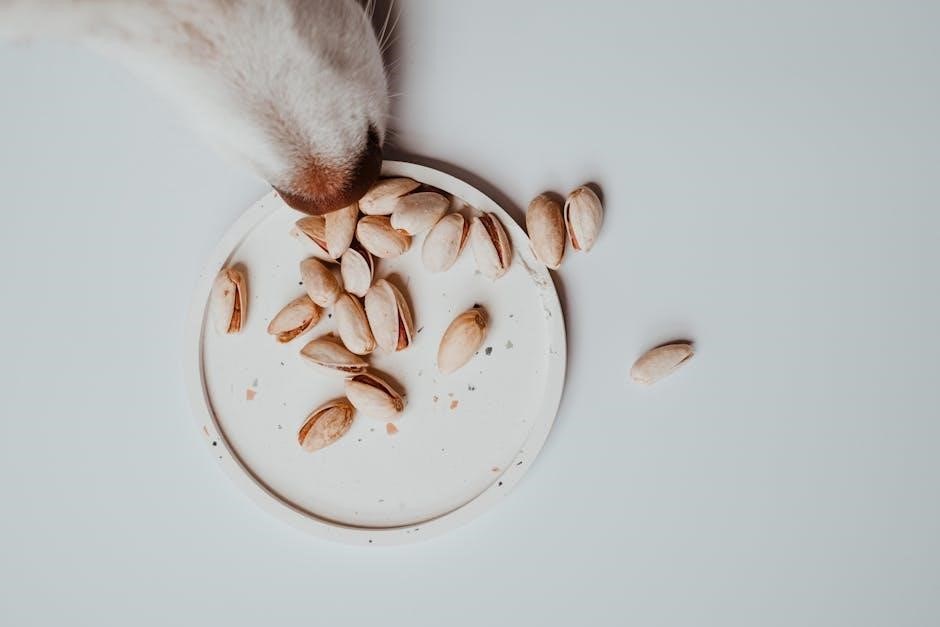
Food safety for dogs is a critical aspect of pet care, as certain human foods can be toxic and even life-threatening. Dogs have unique physiological needs, and their sensitivity to harmful substances differs from humans. Common household foods like chocolate, grapes, and onions can cause severe health issues, ranging from mild discomfort to organ failure. Awareness of these risks is essential to prevent accidental poisoning. Safe food practices, such as storing toxic foods out of reach and avoiding harmful ingredients, can significantly reduce the danger. Additionally, understanding which human foods are safe for dogs ensures they can enjoy occasional treats without risk. By prioritizing food safety, pet owners can protect their dogs from preventable health crises and promote a long, healthy life for their furry companions.
Common Household Foods That Can Harm Dogs
Several common household foods pose significant risks to dogs, often found in everyday meals or snacks. Chocolate, for instance, contains theobromine, which is toxic to dogs and can cause heart issues and seizures. Grapes and raisins, even in small amounts, can lead to kidney failure. Onions and garlic contain compounds that damage a dog’s red blood cells, potentially causing anemia. Macadamia nuts can lead to weakness and tremors, while avocados, particularly the pit, can cause obstruction or toxicity. Caffeine and alcohol are also harmful, affecting the nervous system. Xylitol, a sugar substitute in many sugar-free products, can trigger a rapid drop in blood sugar and even liver failure. Salt and sodium overconsumption can result in electrolyte imbalances and severe health complications. Awareness of these foods is vital to safeguarding your dog’s health and preventing accidental poisoning.
Common Toxic Foods for Dogs

Many everyday foods, such as chocolate, grapes, and onions, can be harmful to dogs, causing severe health issues. Awareness is key to protecting your pet;
Chocolate: Why It’s Dangerous and What to Do
Chocolate is highly toxic to dogs due to theobromine, a compound that dogs cannot metabolize efficiently. Dark chocolate and baking chocolate are the most dangerous due to their high theobromine content. Even small amounts can cause symptoms like vomiting, diarrhea, increased heart rate, and seizures in severe cases. If you suspect your dog has ingested chocolate, contact your veterinarian immediately. The sooner treatment begins, the better the chances of preventing serious harm. Keep all chocolate products out of reach and educate family members about the risks. Always opt for dog-safe treats to avoid accidental poisoning. Remember, prevention is key to protecting your furry friend from this common household hazard.
Grapes and Raisins: The Hidden Dangers
Grapes and raisins are among the most toxic foods for dogs, with even small amounts potentially causing severe health issues. The exact reason for their toxicity remains unknown, but their consumption can lead to acute kidney failure in dogs. Both grapes and raisins are equally dangerous, and their effects can vary unpredictably between dogs. Symptoms of poisoning include vomiting, lethargy, and dehydration, which can escalate rapidly. If you suspect your dog has ingested grapes or raisins, seek immediate veterinary care. Early treatment is critical to preventing long-term damage. Always store these foods securely out of your dog’s reach and avoid offering them as treats. Awareness of this hidden danger is essential for safeguarding your pet’s health and well-being.
Onions and Garlic: Their Impact on Canine Health
Onions and garlic belong to the Allium family and contain compounds that can be highly toxic to dogs. These compounds damage a dog’s red blood cells, leading to anemia. Even small amounts, whether raw, cooked, or powdered, can cause harm. Symptoms of poisoning include vomiting, diarrhea, lethargy, and pale gums. In severe cases, it can lead to organ failure. Dogs of all sizes and breeds are at risk, and the effects can be cumulative over time. It’s crucial to avoid feeding your dog any form of onion or garlic, including foods like soups or seasonings that contain these ingredients. Always store them securely and consider safe alternatives for your dog’s diet to prevent accidental ingestion and ensure their health remains protected.
Macadamia Nuts: Risks and Symptoms

Macadamia nuts are highly toxic to dogs and can cause severe health issues. Even small amounts can lead to symptoms such as weakness, depression, vomiting, tremors, and hyperthermia. These symptoms typically appear within 3 to 12 hours after ingestion and can last up to 48 hours. The exact toxin in macadamia nuts is unknown, but their effects can vary depending on the dog’s size and the quantity consumed. While the symptoms are usually temporary, they can still be distressing for both the dog and the owner. If you suspect your dog has eaten macadamia nuts, it’s essential to seek veterinary care immediately. Early treatment can help manage symptoms and prevent complications. Always keep these nuts out of your dog’s reach to ensure their safety and well-being.
Avocado: The Pit and Other Harmful Parts
While avocados are nutritious for humans, certain parts can be harmful to dogs. The pit, skin, leaves, and stems contain persin, a toxic compound that can cause vomiting, diarrhea, and abdominal pain in dogs. Ingesting the pit is particularly dangerous, as it can obstruct the digestive tract or cause intestinal blockage. Even small amounts of these parts can lead to discomfort, while larger quantities may result in more severe symptoms. If your dog ingests any part of the avocado plant, monitor them closely for signs of distress and consult a veterinarian immediately. While the fleshy part of the avocado is generally safer in small amounts, it’s best to avoid feeding it to dogs altogether to prevent potential risks.
Caffeine: Its Effects on Dogs
Caffeine is highly toxic to dogs and can cause severe health issues. Found in coffee, tea, energy drinks, and some medications, even small amounts can lead to hyperactivity, anxiety, rapid heart rate, and vomiting. In severe cases, caffeine ingestion can result in seizures, heart arrhythmias, or even death. Dogs metabolize caffeine slowly, prolonging its effects. If you suspect your dog has consumed caffeine, contact a veterinarian immediately. Early treatment is crucial to prevent complications. Keep all caffeinated products out of reach to ensure your dog’s safety. Awareness of these risks can help prevent accidental poisoning and protect your pet from harm.
Alcohol: Why It’s Toxic to Dogs
Alcohol is highly toxic to dogs and can cause severe health complications. Even small amounts of alcohol, found in beverages, medications, or fermented foods, can lead to ethanol poisoning. Dogs metabolize alcohol differently than humans, making it particularly dangerous. Symptoms include vomiting, drooling, lethargy, and in severe cases, seizures, respiratory failure, or death. The toxicity depends on the dog’s size and the amount consumed. Common sources of alcohol include beer, wine, and some medications. If you suspect your dog has ingested alcohol, seek immediate veterinary care. Prompt treatment is essential to prevent long-term damage. Always keep alcoholic products out of reach to protect your dog from accidental poisoning. Awareness of these risks can help ensure your pet’s safety and well-being.
Xylitol: The Sugar Substitute to Avoid

Xylitol, a common sugar substitute found in sugar-free gum, candies, baked goods, and even peanut butter, is highly toxic to dogs. It causes a rapid drop in blood sugar and can lead to liver failure. Symptoms of xylitol poisoning include vomiting, lethargy, seizures, and in severe cases, coma or death. The severity depends on the amount consumed and the dog’s size. Products labeled as “sugar-free” often contain xylitol, making them dangerous for dogs. Always check food labels and keep such items out of reach. If you suspect your dog has ingested xylitol, seek immediate veterinary care. Prompt treatment is crucial to prevent life-threatening complications. Awareness of this hidden danger can help protect your dog from accidental poisoning and ensure their safety.
Salt and Sodium: Risks of Overconsumption

Excessive salt and sodium consumption can be harmful to dogs, leading to electrolyte imbalances and potentially life-threatening conditions. Symptoms of salt toxicity include vomiting, diarrhea, excessive thirst, and in severe cases, seizures or even death. Dogs are particularly sensitive to high sodium levels, which can disrupt normal bodily functions. Common sources of excessive salt include salty snacks, soy sauce, and even non-food items like play dough. It’s crucial to keep such items out of your dog’s reach and avoid feeding them foods high in sodium. If you suspect your dog has ingested too much salt, contact your veterinarian immediately for guidance. Preventing overconsumption is key to safeguarding your dog’s health and avoiding unnecessary risks.
Safe Alternatives to Toxic Foods
Discover healthy alternatives to toxic foods for your dog. Carrots, green beans, and peanut butter are safe, nutritious options. Always choose dog-friendly treats to ensure their well-being.
Healthy Human Foods Dogs Can Enjoy
While many human foods are harmful to dogs, some can be safely incorporated into their diet. Carrots, green beans, and peanut butter are excellent choices, offering nutritional benefits without risks. Oatmeal and plain, cooked chicken are also safe options, providing fiber and protein. These foods can serve as healthy treats or meal additions, promoting overall well-being. Always introduce new foods gradually and in moderation to avoid digestive upset. Consulting with a veterinarian before making significant changes to your dog’s diet is recommended to ensure their specific needs are met. By choosing these dog-friendly alternatives, you can enrich your pet’s meals while keeping them safe from harm.
Carrots: A Safe and Nutritious Snack
Carrots are a safe and nutritious snack for dogs, offering numerous health benefits. They are low in calories and rich in essential vitamins, minerals, and fiber, making them an excellent choice for promoting overall well-being. Carrots support healthy digestion and can help maintain strong teeth by reducing plaque and tartar buildup. They are also a great alternative to unhealthy treats, providing a crunchy and satisfying snack. Dogs can enjoy carrots raw or steamed, but avoid adding salts, sugars, or other seasonings; While carrots are safe, they should be given in moderation to prevent digestive upset. Always consult your veterinarian for portion sizes tailored to your dog’s size, breed, and dietary needs. Incorporating carrots into your dog’s diet is a simple way to enhance their nutrition and keep them happy and healthy.

Green Beans: A Low-Calorie Treat
Green beans are a safe and healthy snack for dogs, offering a low-calorie alternative to traditional treats. They are rich in vitamins, minerals, and fiber, making them an excellent choice for supporting digestive health. Green beans are also low in fat and calories, making them ideal for dogs on a weight management plan. They can be served raw or steamed, and even added to meals for extra nutrition. Plain green beans are best, as seasonings or additives can be harmful. Many dogs find them palatable and enjoyable, making them a great reward during training or as a crunchy snack. While green beans are safe, they should not replace your dog’s balanced diet. Always introduce new foods gradually to ensure your dog tolerates them well. Green beans are a simple, nutritious way to keep your dog happy and healthy.
Peanut Butter: Safe in Moderation
Peanut butter can be a safe and enjoyable treat for dogs when given in moderation. It is rich in protein and healthy fats, making it a popular choice for dog owners. However, it’s crucial to choose peanut butter that does not contain xylitol, a sugar substitute that is highly toxic to dogs. Always check the ingredient list to ensure the product is free from harmful additives. While peanut butter is generally safe, overconsumption can lead to weight gain or pancreatitis due to its high calorie and fat content. Small amounts, such as a teaspoon for small breeds or a tablespoon for larger dogs, are recommended. You can also use peanut butter as a reward during training or to disguise medication. Always introduce it gradually to monitor for any signs of intolerance or allergic reactions. Moderation is key to keeping this treat beneficial and safe for your dog.

Preventing Accidental Poisoning
Secure toxic substances, store food safely, and use locks to prevent access. Educate household members and guests about dangerous foods. Always be prepared for emergencies with a pet first-aid kit.
How to Read Food Labels for Safety
Reading food labels is essential to ensure your dog’s safety. Start by checking the ingredient list for toxic substances like xylitol, chocolate, or grapes. Look for certifications from pet food safety organizations. Be aware of vague terms like “by-products” or “artificial flavors,” which may hide harmful ingredients. Pay attention to warning labels or allergen alerts, as these can indicate potential risks. Always verify the manufacturer’s reputation and consult your vet if unsure. Understanding the difference between safe and toxic ingredients helps you make informed decisions. Prioritize your dog’s health by carefully reviewing labels before sharing any food.
Storing Food Safely Out of Reach
Proper food storage is vital to prevent accidental poisoning. Keep all toxic foods, such as chocolate, grapes, and onions, in high cabinets or secure containers. Use childproof locks on pantry doors and drawers to ensure your dog cannot access them. Avoid leaving food unattended on countertops, as dogs can quickly snatch harmful items. Store treats and snacks in sealed containers labeled clearly. Consider using a food safety magnet as a reminder of toxic foods. Train your dog to stay away from the kitchen or dining areas during meals. Consistent habits and secure storage can significantly reduce the risk of your dog ingesting harmful substances. Always double-check that food items are out of reach before leaving the room.
What to Do If Your Dog Ingests Toxic Food
If your dog ingests toxic food, remain calm and act quickly. Contact your veterinarian or a pet poison hotline immediately for guidance. Provide details about the food consumed, the amount, and the time of ingestion. Do not induce vomiting unless instructed by a professional. Keep your dog calm and comfortable to prevent stress, which can worsen symptoms. Monitor your dog for signs of illness, such as vomiting, lethargy, or difficulty breathing. Follow all recommendations from your vet, as treatment may vary depending on the toxin. In severe cases, seek emergency veterinary care without delay. Prompt action can significantly improve your dog’s chances of recovery. Always keep emergency contact numbers handy to ensure quick response in critical situations.
Protecting your dog from toxic foods requires vigilance and awareness. Always opt for safe alternatives and take quick action if ingestion occurs to ensure their health and safety.
Key Takeaways for Keeping Your Dog Safe
To keep your dog safe, always avoid feeding them toxic foods like chocolate, grapes, onions, and macadamia nuts. Opt for safe alternatives such as carrots and green beans. Store harmful foods securely and read labels carefully to ensure safety. If accidental ingestion occurs, contact your vet immediately. Educating yourself on toxic foods and their risks is essential for your dog’s well-being. By taking these precautions, you can create a safer environment and prevent potential health crises for your pet.
Resources for Further Reading
For more detailed information on toxic foods for dogs, consult reputable sources like the ASPCA or Pet Poison Helpline. Downloadable PDF guides, such as the “Protect Your Pets” magnet, offer clear lists of safe and harmful foods. Websites like Parade Pets provide practical tips and safe food swaps. Additionally, affiliate-linked articles often include comprehensive lists of toxic foods and safe alternatives. Always refer to trusted veterinary resources for accurate and up-to-date information. Staying informed through these resources can help you make better decisions for your dog’s health and safety.
- ASPCA: Toxic and Non-Toxic Plants
- Pet Poison Helpline
- TLC Safety By Design: Food Safety Magnet
- Parade Pets: Safe Food Swaps
Consulting these resources ensures you have the knowledge to protect your pet effectively.